
Route Overview
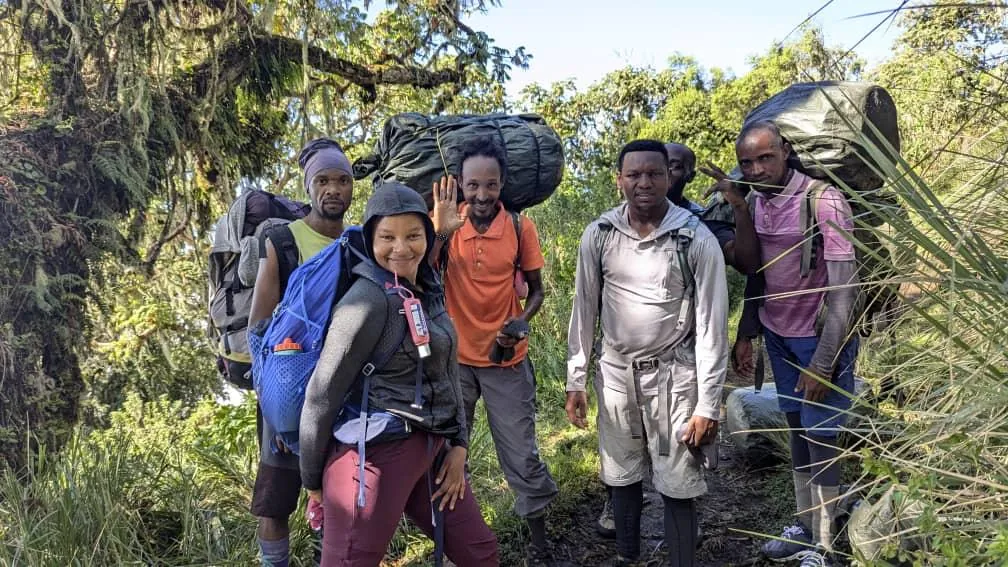
Mount Meru rises inside Arusha National Park and offers one of Tanzania's most rewarding short mountain adventures. The trek combines wildlife-rich lower slopes, montane forest, heather and moorland, volcanic scenery and a dramatic crater-rim summit approach.
The standard route begins at Momella Gate and uses Miriakamba Hut and Saddle Hut. Unlike most Kilimanjaro routes, Mount Meru trekkers sleep in permanent mountain huts. Because the lower trail crosses active wildlife habitat, the climb is accompanied by an armed park ranger in addition to the mountain crew.
The 4-day programme is the more comfortable option because it breaks the descent after summit day with another night at Miriakamba Hut. The 3-day programme reaches the same summit but continues all the way to Momella Gate after the summit descent, creating a much longer final day. Mount Meru is also widely used as a strong acclimatization trek before Kilimanjaro.
Mount Meru at a glance
A compact high-altitude trek combining wildlife, volcanic landscapes, mountain huts and a sunrise summit on Tanzania's second-highest mountain.
Daily Itinerary
Why We Recommend the 4-Day Itinerary
The 4-day trek follows the classic Mount Meru schedule and gives your body more recovery time after the summit. Instead of continuing all the way to Momella Gate on summit day, you descend to Miriakamba Hut for a final mountain night, then complete a relaxed forest descent the next morning.
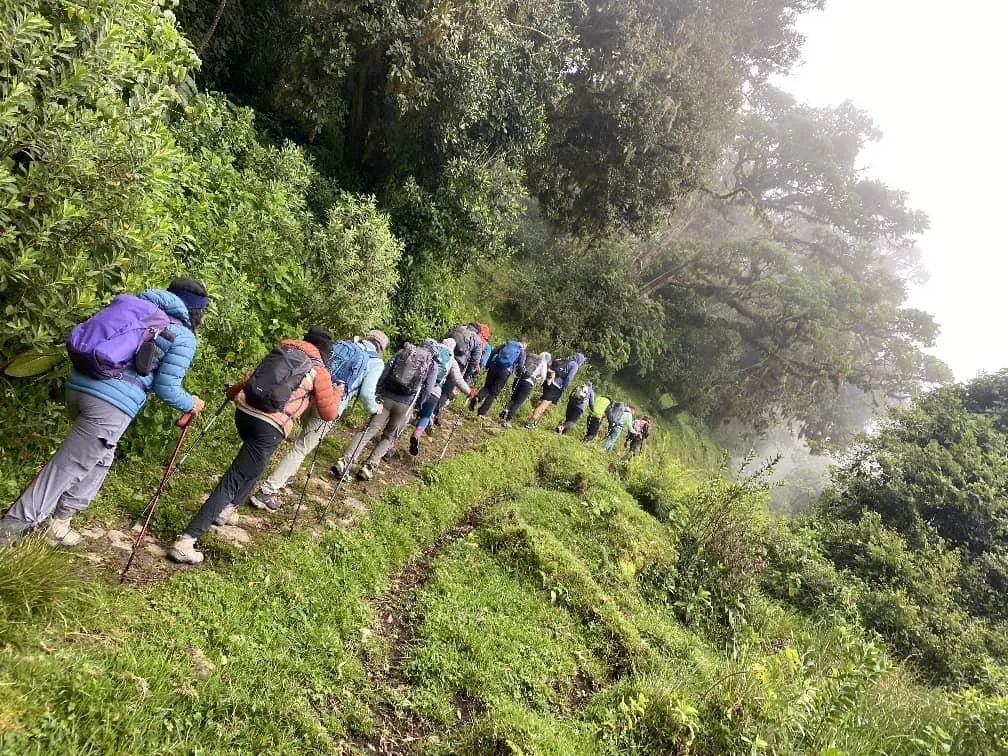
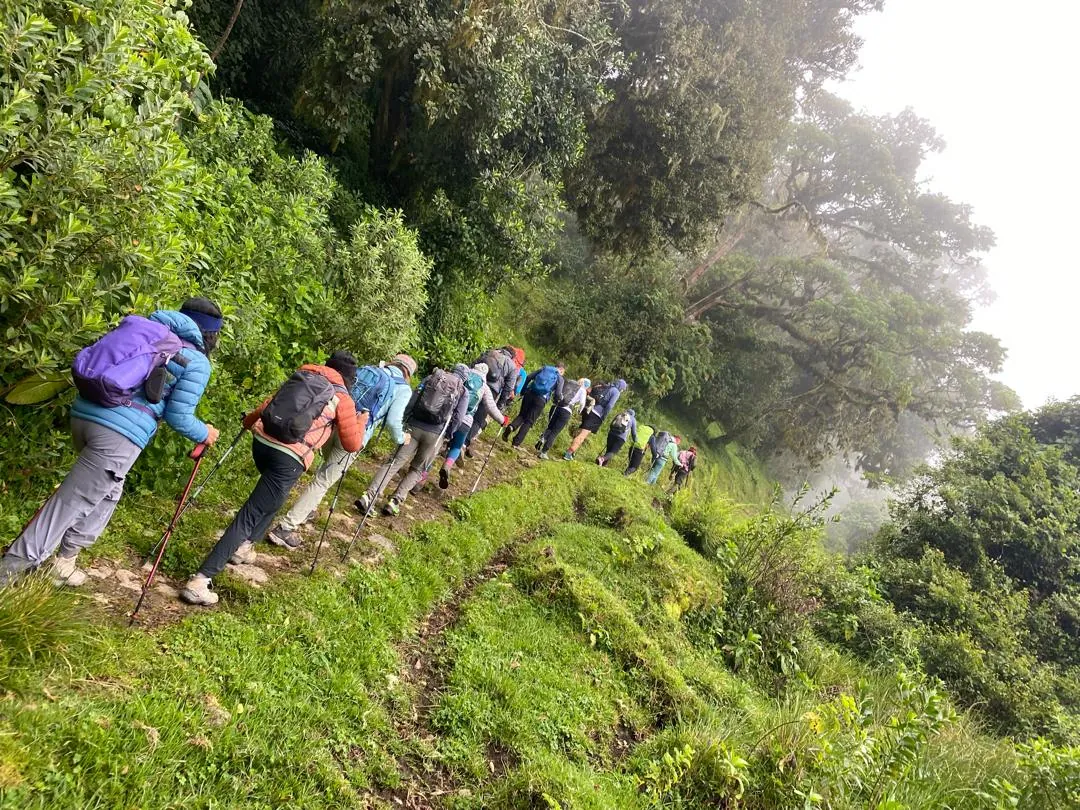
After breakfast, transfer from Arusha to Arusha National Park and complete registration at Momella Gate. Meet the mountain team and armed park ranger before beginning the trek through open grassland and montane forest. The lower slopes are rich in wildlife, so giraffe, buffalo, monkeys, antelope and prolific birdlife may be seen along the way. Continue steadily uphill to Miriakamba Hut for dinner and overnight.
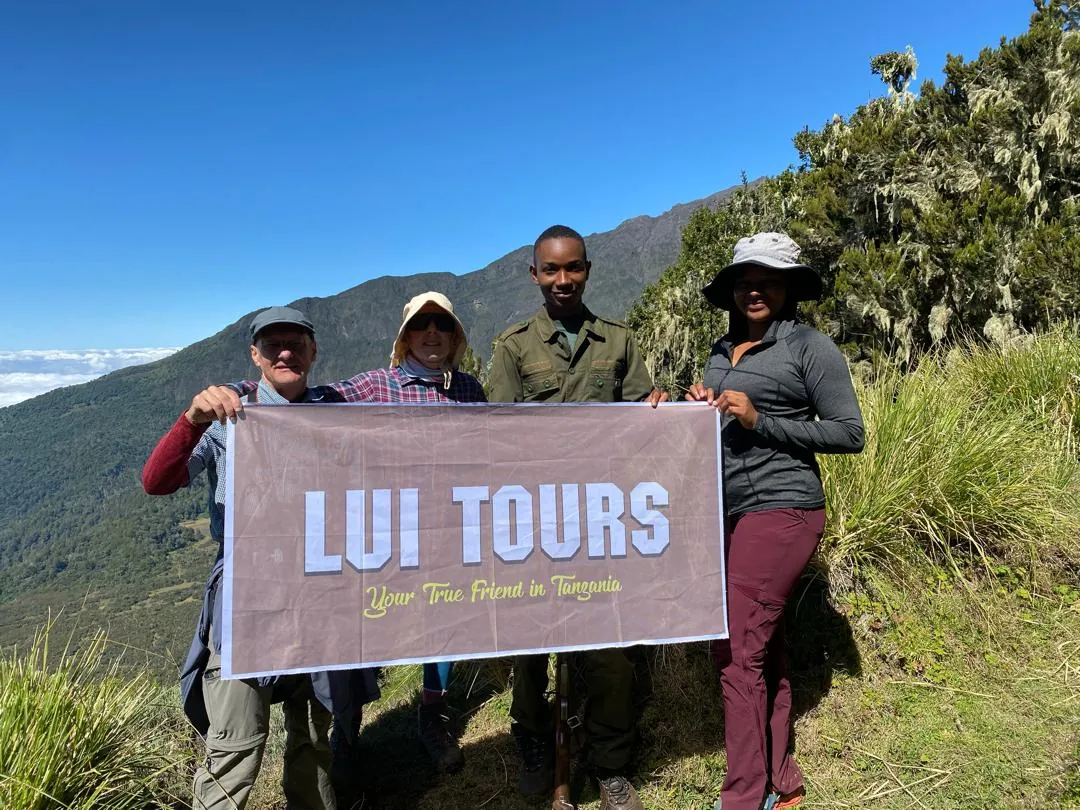
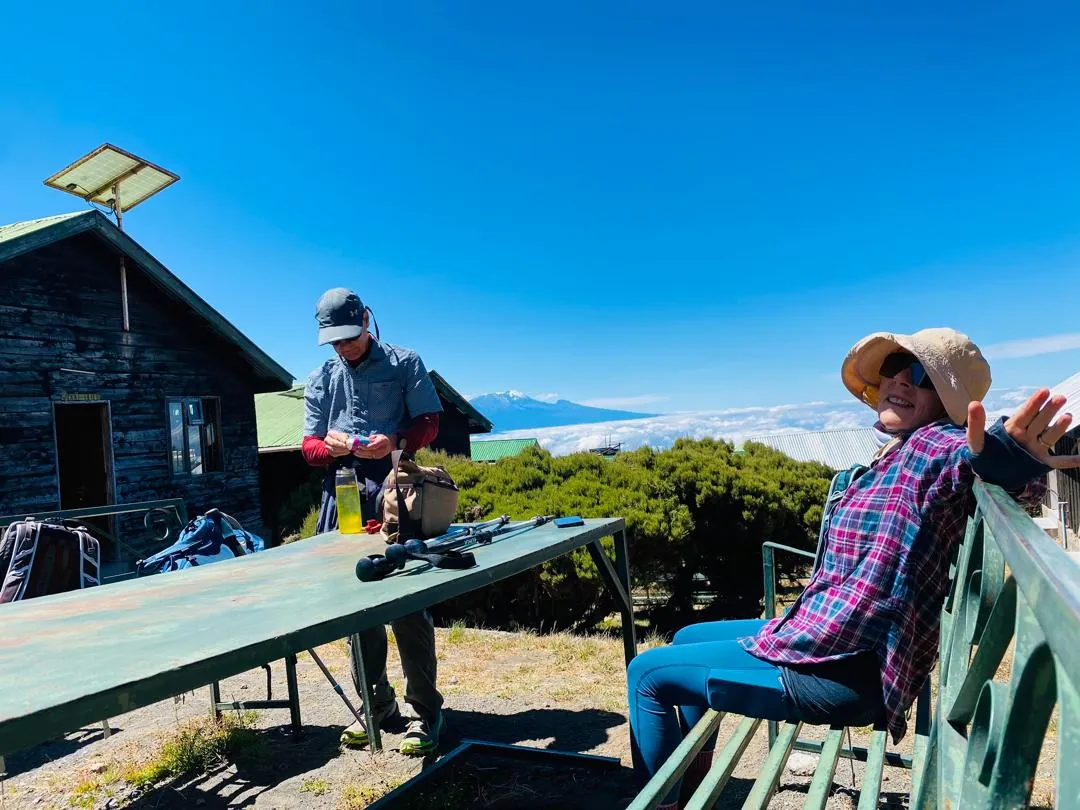
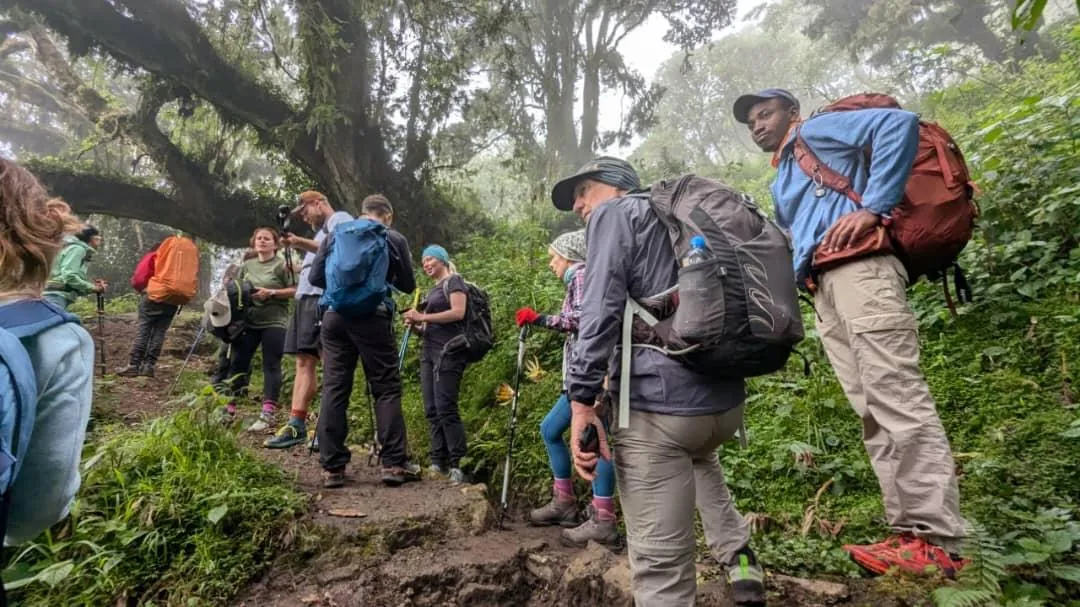
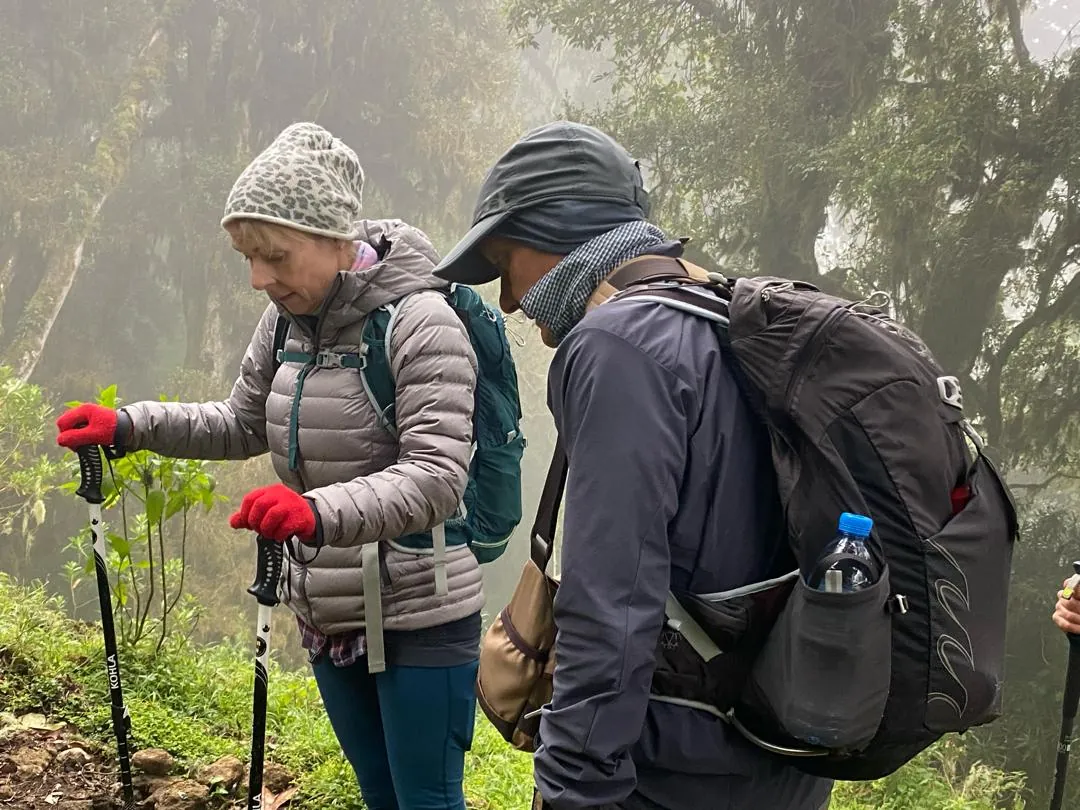
Leave Miriakamba after breakfast for a steeper climb through forest, giant heather and moorland. As the trail gains altitude, views open toward Mount Meru's crater, the Ash Cone and the surrounding plains. Reach Saddle Hut around midday. After lunch and rest, an optional acclimatization hike leads to Little Meru at about 3,820m before returning to Saddle Hut for an early dinner and preparation for the summit attempt.
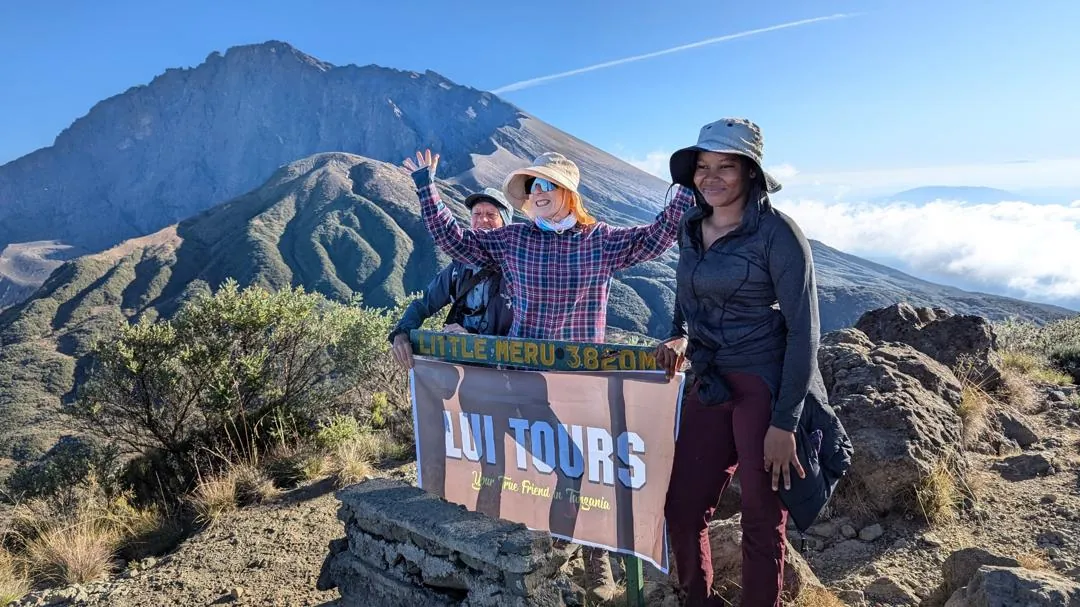
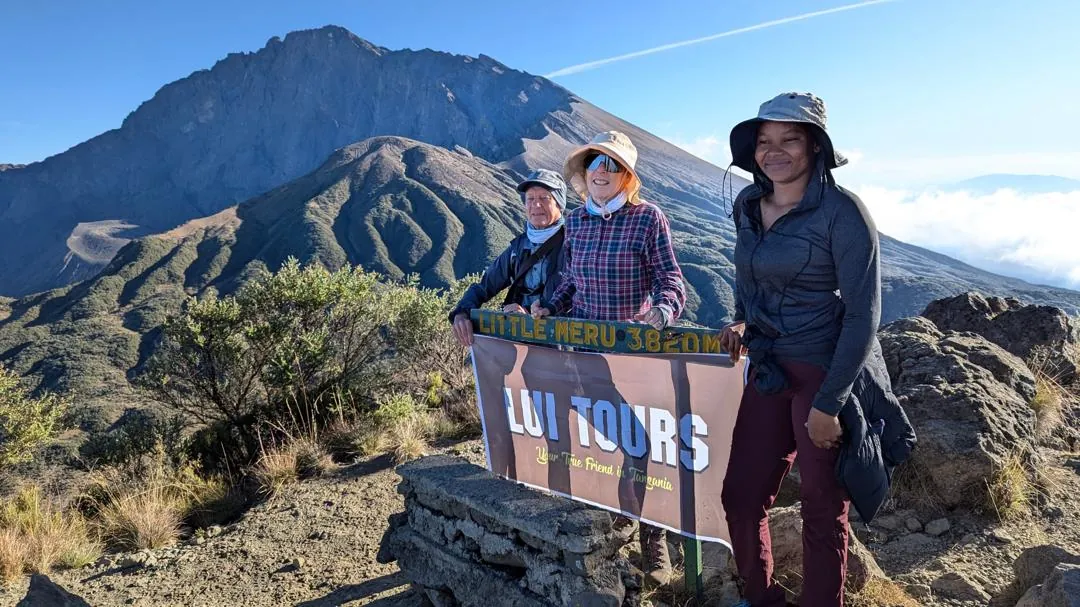
Wake around midnight for tea and a light snack, then begin the summit climb by headlamp. The route rises steeply toward Rhino Point before continuing along the dramatic crater rim toward Cobra Point and Socialist Peak. The upper trail is rocky and exposed in places, so the pace is deliberate and the guide may turn the group around if wind, ice or visibility make the ridge unsafe. Reach the summit around sunrise when conditions permit, with sweeping views over the crater and toward Kilimanjaro. Descend to Saddle Hut for brunch, then continue to Miriakamba Hut for dinner and overnight.
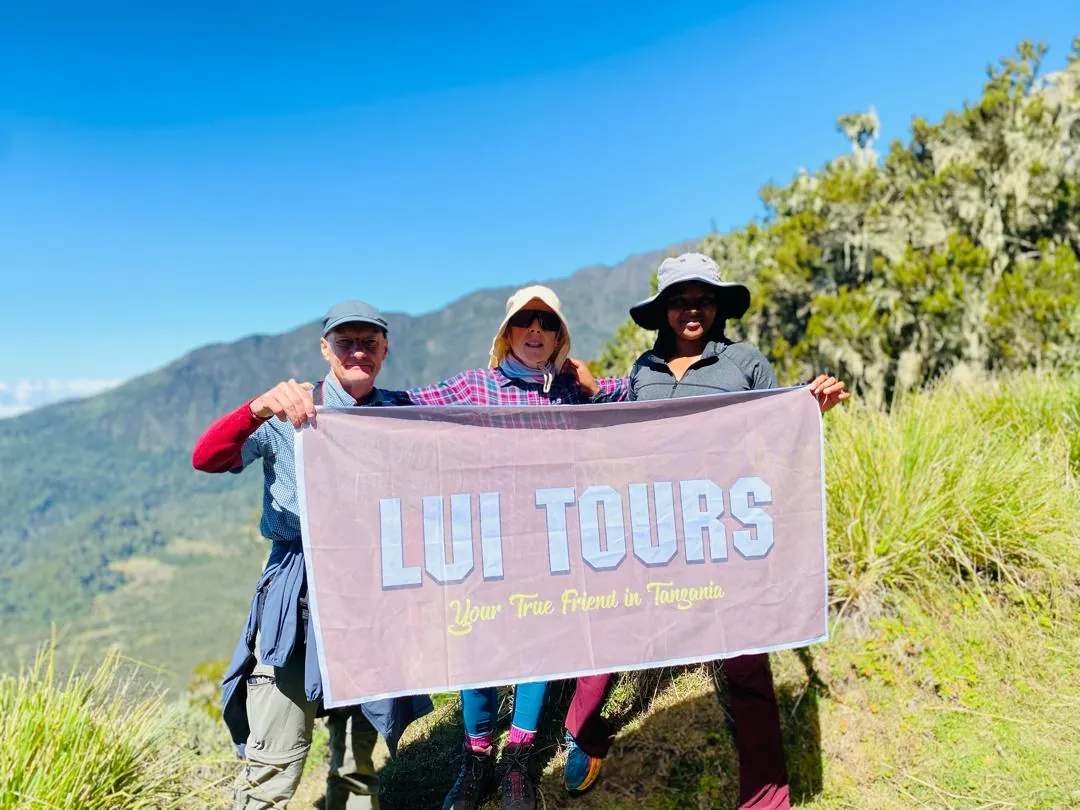
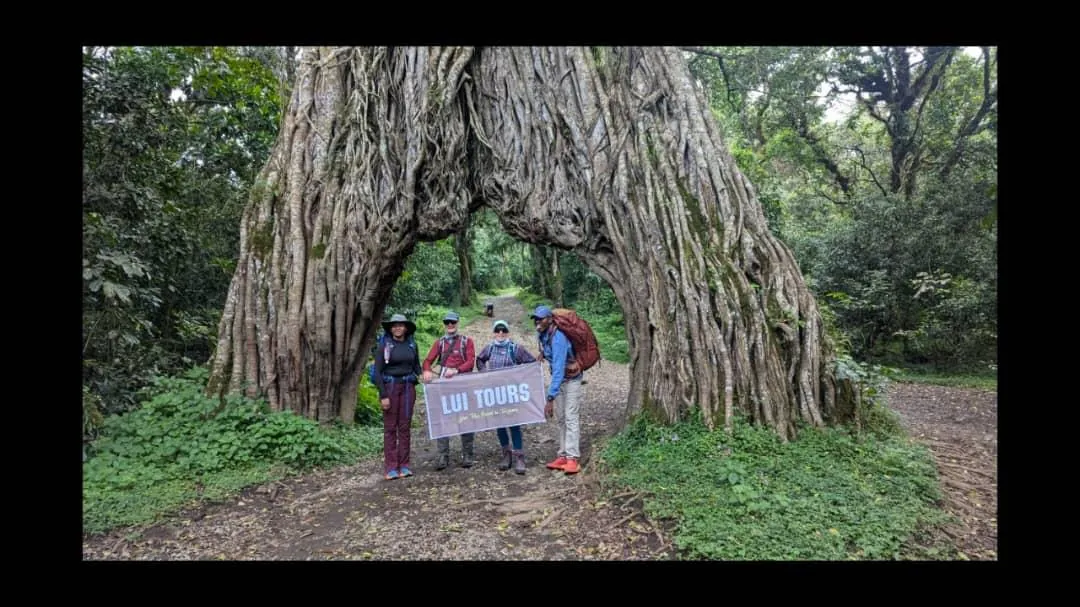
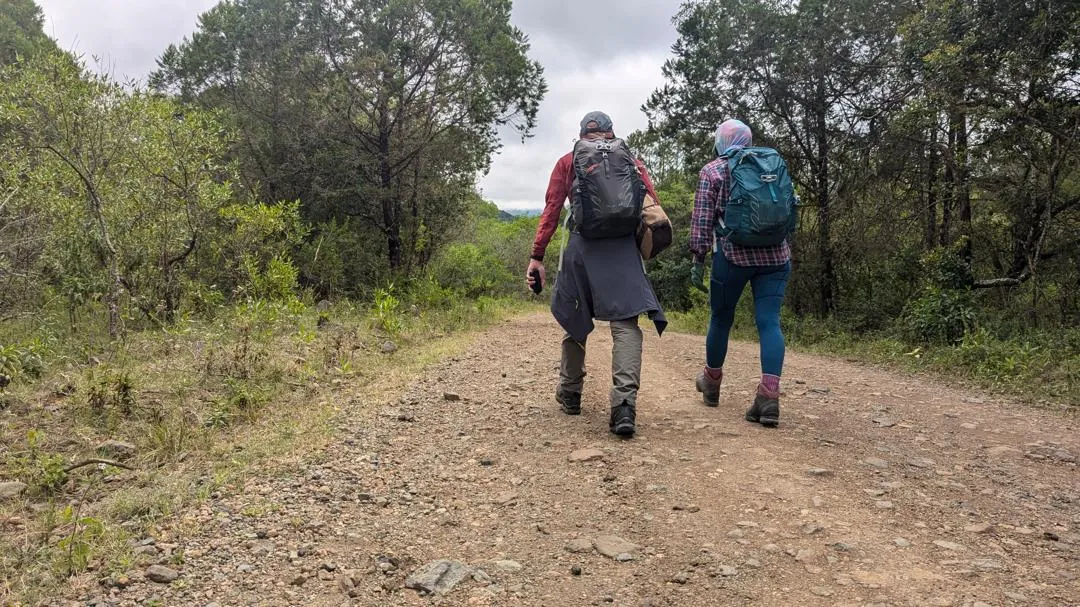
After breakfast, make a relaxed descent through open forest and grassland toward Momella Gate. The lower trail offers another opportunity to see birds, monkeys, giraffes and other wildlife before completing park formalities. Meet the transfer vehicle at the gate and return to Arusha for a well-earned shower and celebration.
How the 3-Day Itinerary Differs
Days 1 and 2 follow the same route to Miriakamba and Saddle Hut. The difference comes after the summit: instead of spending another night at Miriakamba, the 3-day trek continues all the way down to Momella Gate on Day 3. This makes the final day significantly longer and better suited to fit trekkers comfortable with a demanding descent.
Transfer to Momella Gate, meet the guide, ranger and crew, then trek through the wildlife-rich lower slopes of Arusha National Park to Miriakamba Hut. The route moves from open grassland into montane forest while gaining just over 1,000 metres of elevation.
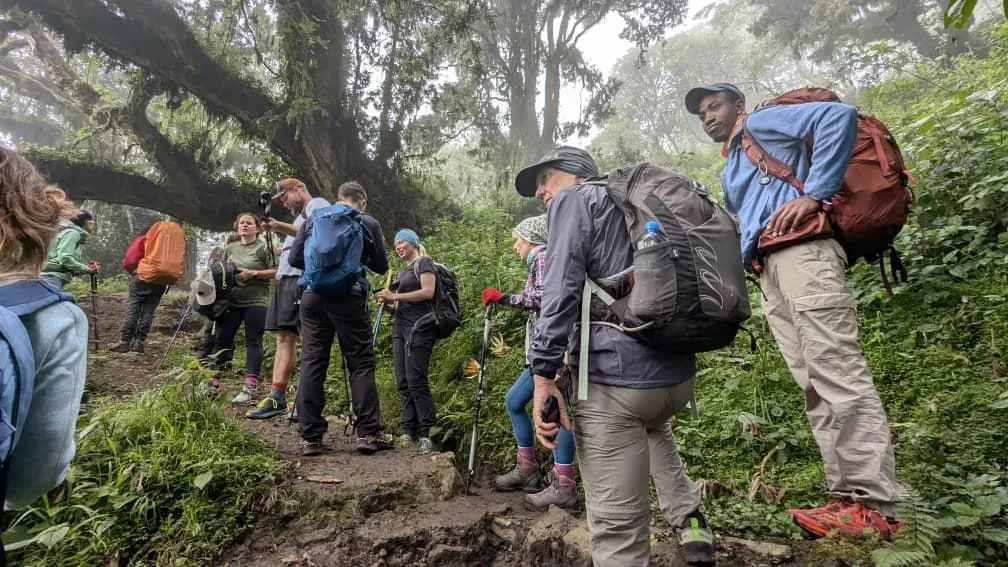
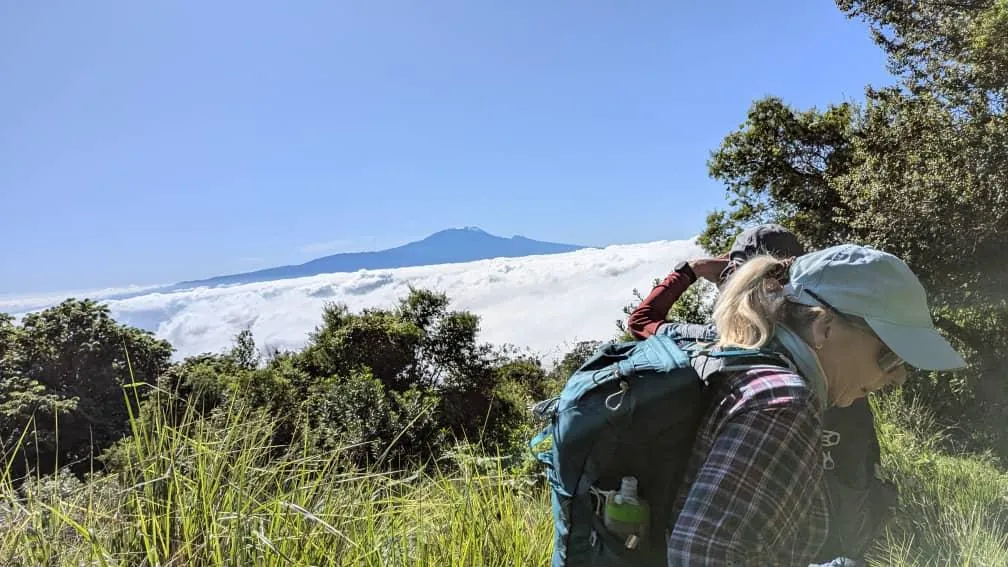
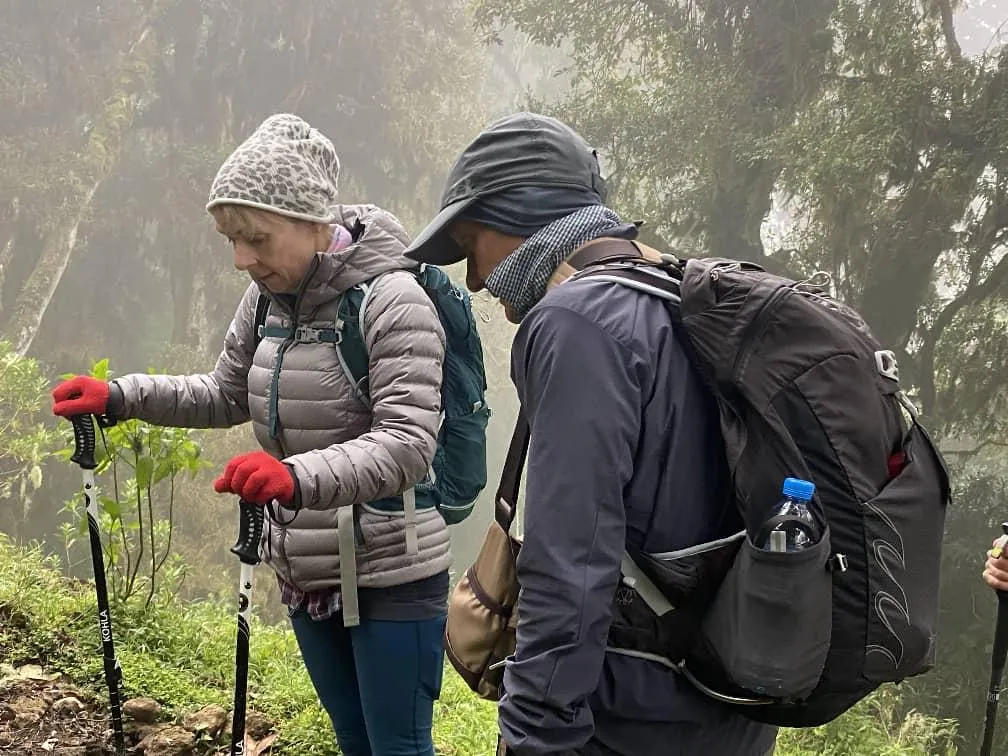
Climb from Miriakamba through forest and moorland to Saddle Hut. After lunch and rest, take the optional acclimatization walk to Little Meru at about 3,820m, then return for an early dinner before the midnight summit start.
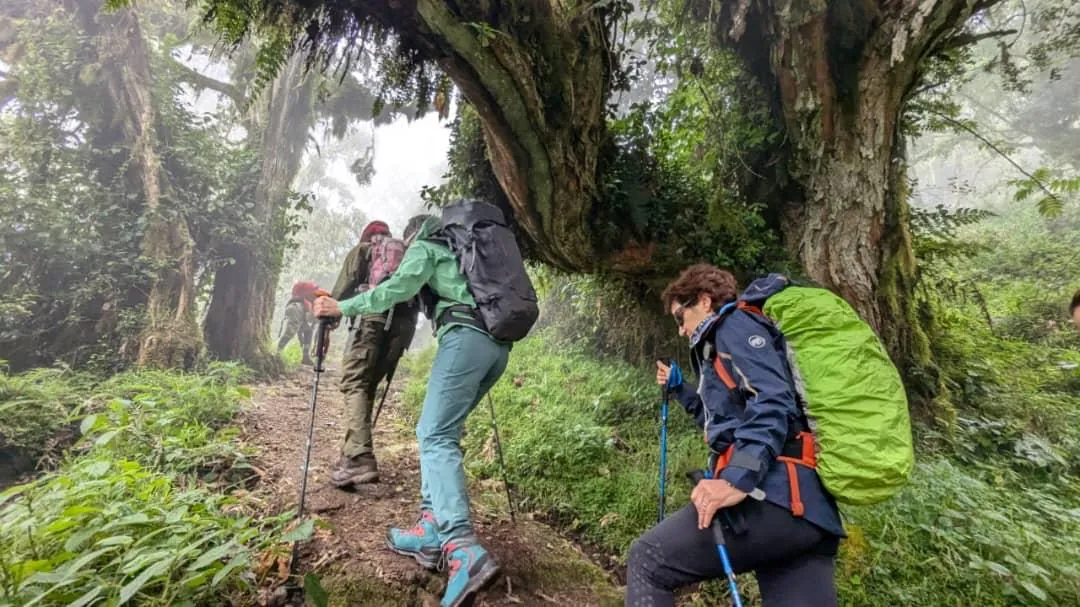
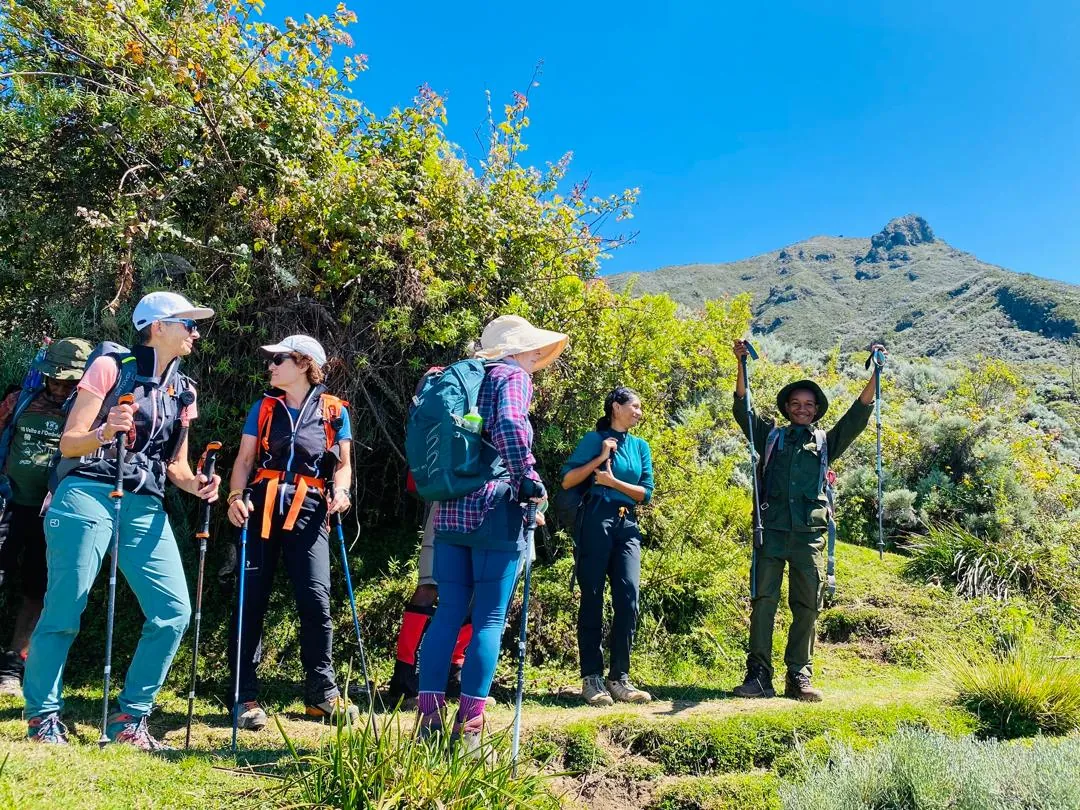
Begin before dawn and follow the crater-rim route via Rhino Point toward Socialist Peak for sunrise. After the summit, descend to Saddle Hut for a meal and short rest, continue through Miriakamba, and then descend through the forest to Momella Gate. Because the 3-day option combines the summit and full mountain descent into one day, it requires excellent endurance and careful pacing.
Tailored Price
Mount Meru pricing depends on group size, travel date, park tariffs, hut availability, transfers and any pre- or post-climb hotel nights requested.
| Package | Price |
|---|---|
| 4-Day Mount Meru Trek | Tailored quote on request |
| 3-Day Mount Meru Trek | Tailored quote on request |
What's Included & Excluded
- Professional, experienced Mount Meru guide
- Required armed Arusha National Park ranger escort
- Porters and mountain cook
- Arusha National Park conservation and trekking fees listed in the confirmed quote
- Miriakamba and Saddle Hut accommodation
- All meals while on the mountain
- Clean drinking water during the trek
- Transfer from Arusha to Momella Gate and return
- First aid support carried by the mountain team
- Government taxes on included services
- International and domestic flights
- Tanzania visa fees
- Travel and high-altitude trekking insurance
- Sleeping bag and personal trekking equipment
- Alcohol and soft drinks
- Tips for guide, ranger, cook and porters
- Personal spending and souvenirs
- Optional services not confirmed in writing
Important
Exact inclusions should always be checked against your final LuiTours quotation because park tariffs and requested hotel or transfer arrangements can vary.
Essential Gear & Packing List
Mount Meru begins in a mild wildlife and forest zone but summit night can be cold, windy and exposed. Pack with a layering system so you can adapt quickly as temperatures and conditions change.
Clothing Layers
- Moisture-wicking base layers
- Warm fleece or insulated mid-layer
- Down or synthetic insulated jacket
- Waterproof shell jacket
- Waterproof trousers
- Trekking trousers
- Thermal underwear for summit night
Footwear & Feet
- Broken-in waterproof trekking boots
- Camp shoes or sandals
- Warm hiking socks
- Liner socks
- Gaiters in wet conditions
- Trekking poles
Head, Hands & Eyes
- Warm beanie or balaclava
- Sun hat
- Light trekking gloves
- Warm summit gloves
- UV-protection sunglasses
- Headtorch plus spare batteries
Pack & Carry
- 25-35L daypack
- Duffle bag for porter load
- Pack rain cover
- Dry bags or stuff sacks
- 2-3L daily water capacity
- Small personal valuables pouch
Health & Hygiene
- Personal first aid and blister care
- Prescription medications
- Sunscreen SPF50+ and lip balm
- Hand sanitiser and wet wipes
- Insect repellent for lower slopes
- Any altitude medication only after medical advice
Summit Night Essentials
- Warm insulated layers
- High-energy snacks
- Headtorch with fresh batteries
- Warm gloves and hat
- Water carried to reduce freezing risk
- Camera or phone protected from cold
Best Time to Climb Mount Meru
Mount Meru can be trekked during much of the year, but the clearest and most comfortable conditions usually fall in the drier periods. Rain can make the forest slippery and clouds can reduce the crater, sunrise and Kilimanjaro views from the upper mountain.
| Mountain Zone | Approx. Altitude | Typical Experience | Main Preparation |
|---|---|---|---|
| Grassland & Lower Forest | 1,500-2,300m | Mild to warm, wildlife habitat, rain possible | Light layers, rain shell, insect repellent |
| Montane Forest | 2,300-3,000m | Cooler, shaded, can be damp or slippery | Waterproof boots and shell |
| Heather & Moorland | 3,000-3,800m | Cooler air, stronger sun, exposed sections | Warm layer, sun protection, steady hydration |
| Upper Ridge & Summit | 3,800-4,566m | Cold, windy, rocky and exposed before sunrise | Full warm layers, gloves, headtorch |
Altitude & Acclimatization
Although Mount Meru is lower than Kilimanjaro, Socialist Peak is still well above 4,000 metres. Climbers should take altitude seriously, walk slowly, hydrate well, eat regularly and report symptoms to the guide immediately.
Health recommendation
Discuss high-altitude travel with an appropriate medical professional before your trip, especially if you have a medical condition or are considering prescription altitude medication. No itinerary can guarantee acclimatization or a summit.