
















Route Overview
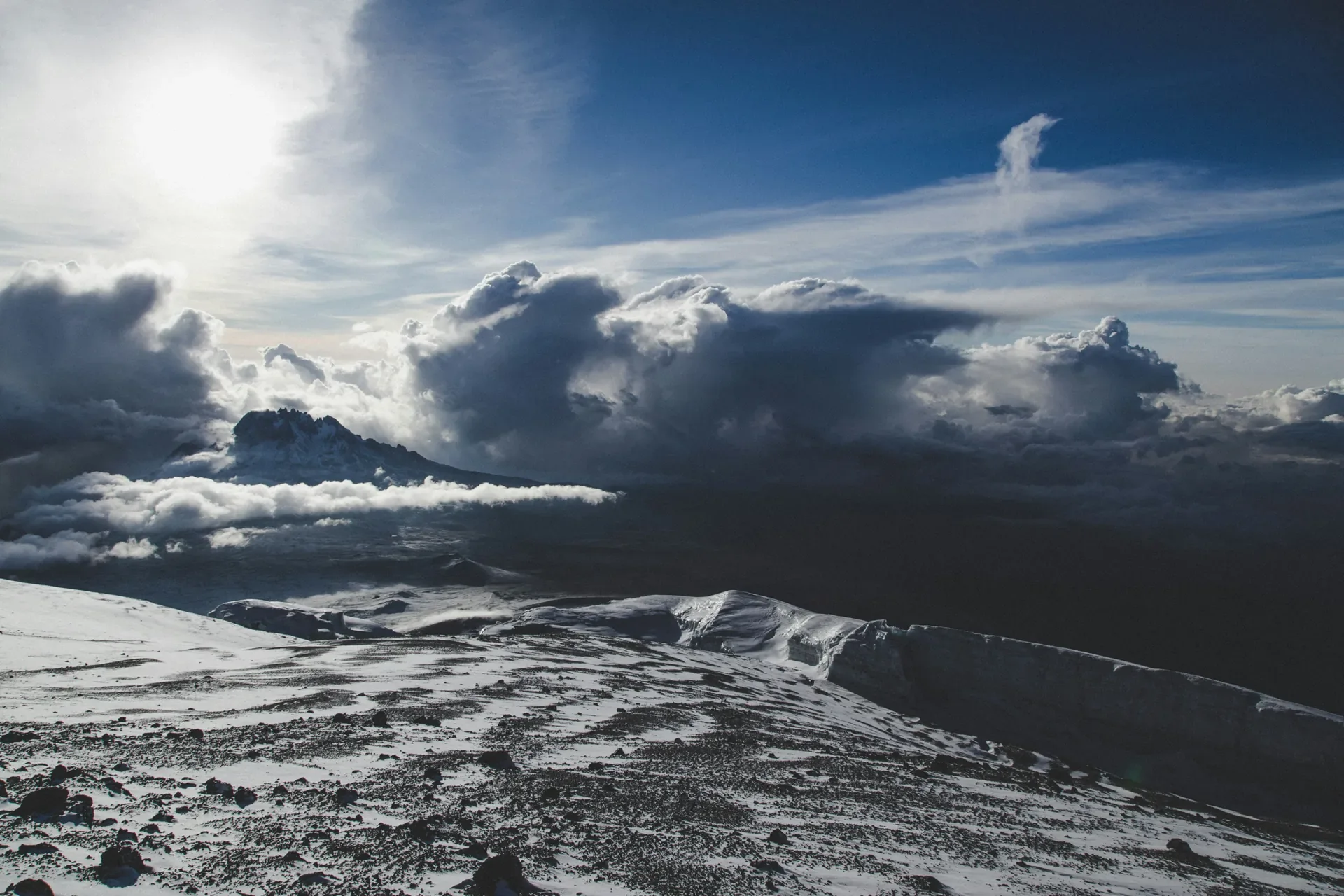
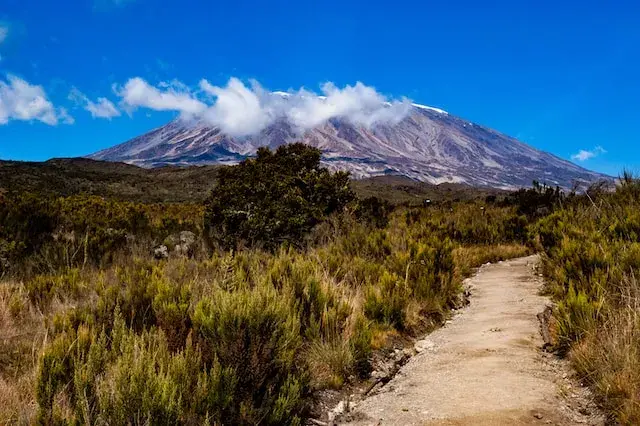
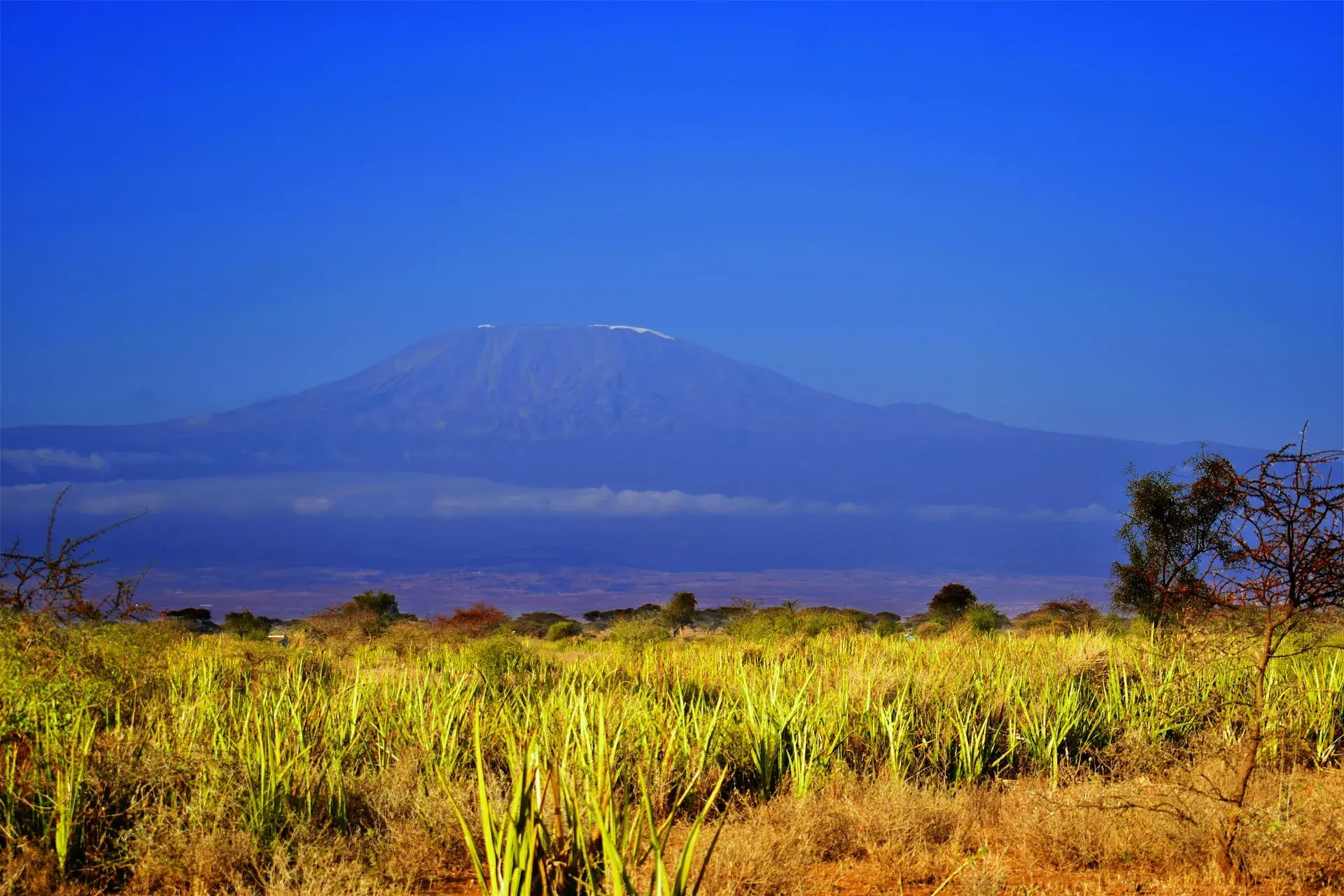
The Northern Circuit Route is Kilimanjaro’s longest established approach. It begins on the western side, crosses the Shira Plateau, then leaves the busier southern trails to traverse the remote northern slopes of Kibo before turning toward the summit from the east.
The extended 9-day or 10-day schedule creates a measured trekking pace and distributes altitude gain across more days than the shorter routes. Its combination of gradual progress, climb-high opportunities and quieter camps supports acclimatization, but the total distance and repeated days at altitude still require endurance, consistent hydration and disciplined pacing.
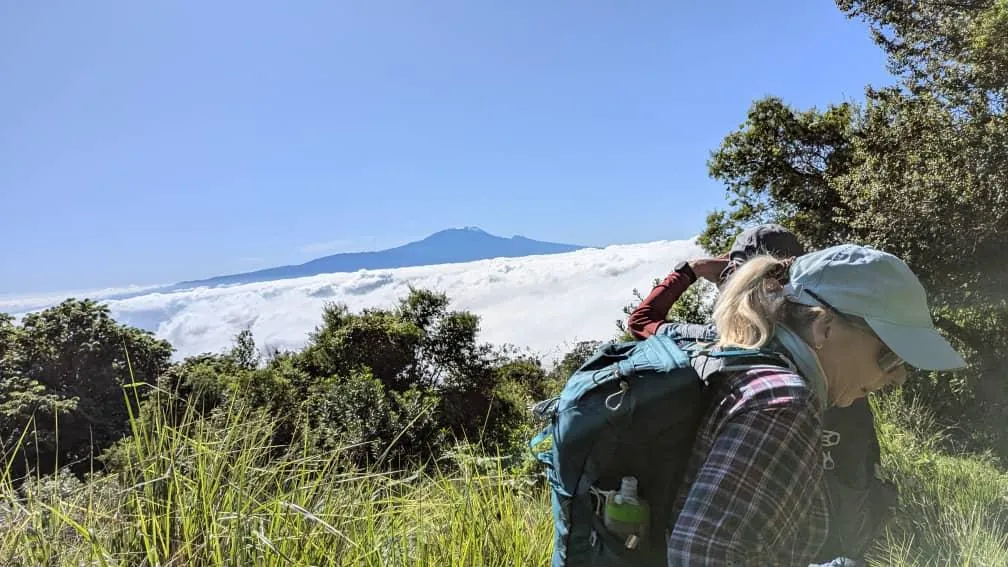
The route suits trekkers who have enough time for a long expedition and value solitude, broad landscapes and a fuller journey around the mountain. Highlights include the Shira Plateau, Moir Valley, views toward Kenya, the rarely visited northern flank and the approach to School Hut. Summit night climbs to Gilman’s Point, follows the crater rim to Uhuru Peak, and descends by the Mweka trail.
Northern Circuit at a glance
Longer mileage, quiet northern terrain and generous acclimatization time make this route a strong fit for patient trekkers seeking Kilimanjaro’s most expansive circuit.
Daily Itinerary
Why We Recommend the 10-Day Itinerary
The 10-day Northern Circuit is the most generous acclimatization schedule available on Kilimanjaro. With three separate acclimatization stages - the Lava Tower climb-high-sleep-low, an extra rest day at Moir Hut (4,200m), and a final approach from School Hut (4,750m) - this itinerary achieves the highest summit readiness of any route on the mountain. For climbers who want to give themselves every possible advantage, there is no better option.
Vegetation, temperature and views change as the trail gains or loses height, so regular water breaks and a steady rhythm matter more than speed. After the day's activities, settle in at Big Tree Camp for rest and overnight.
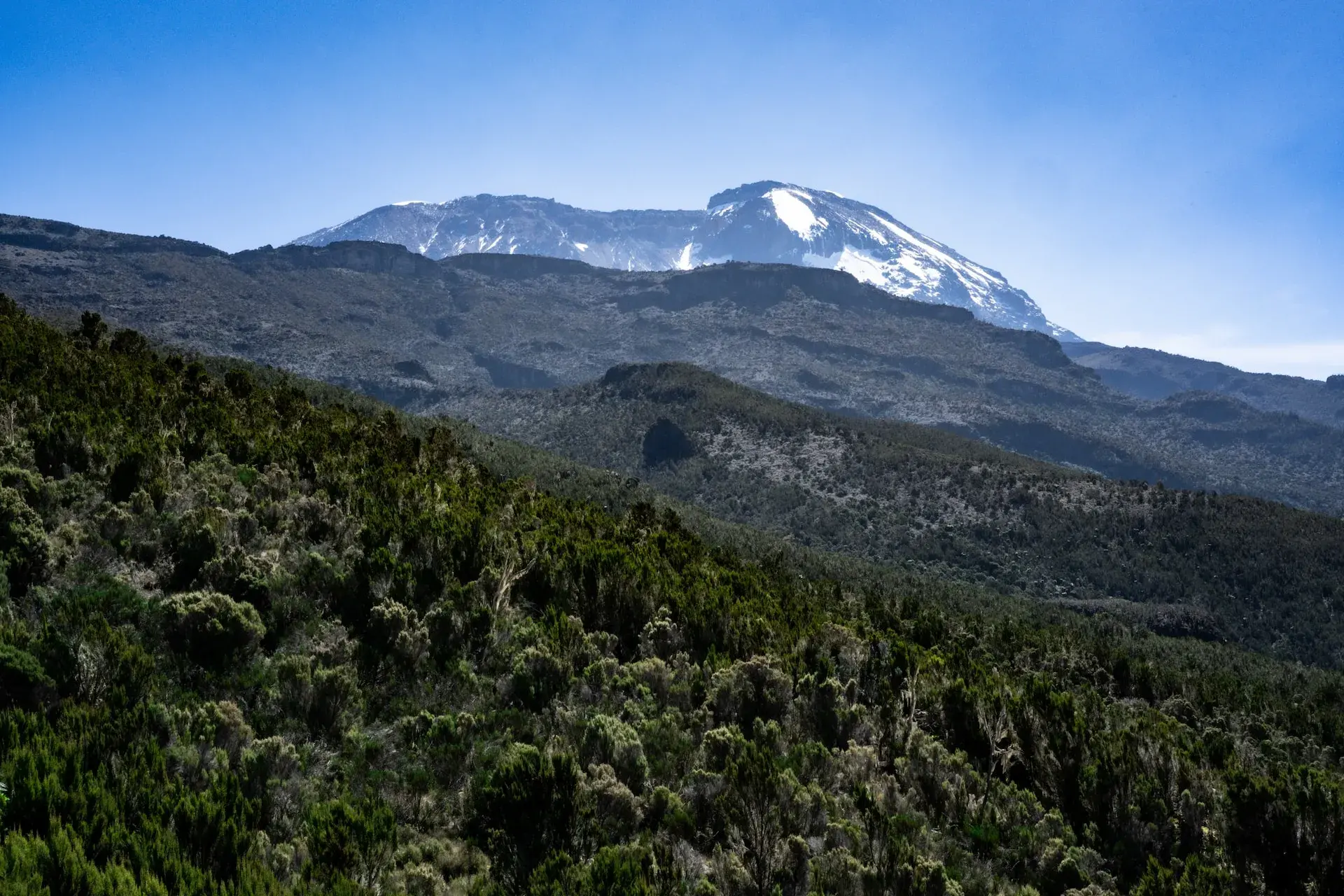
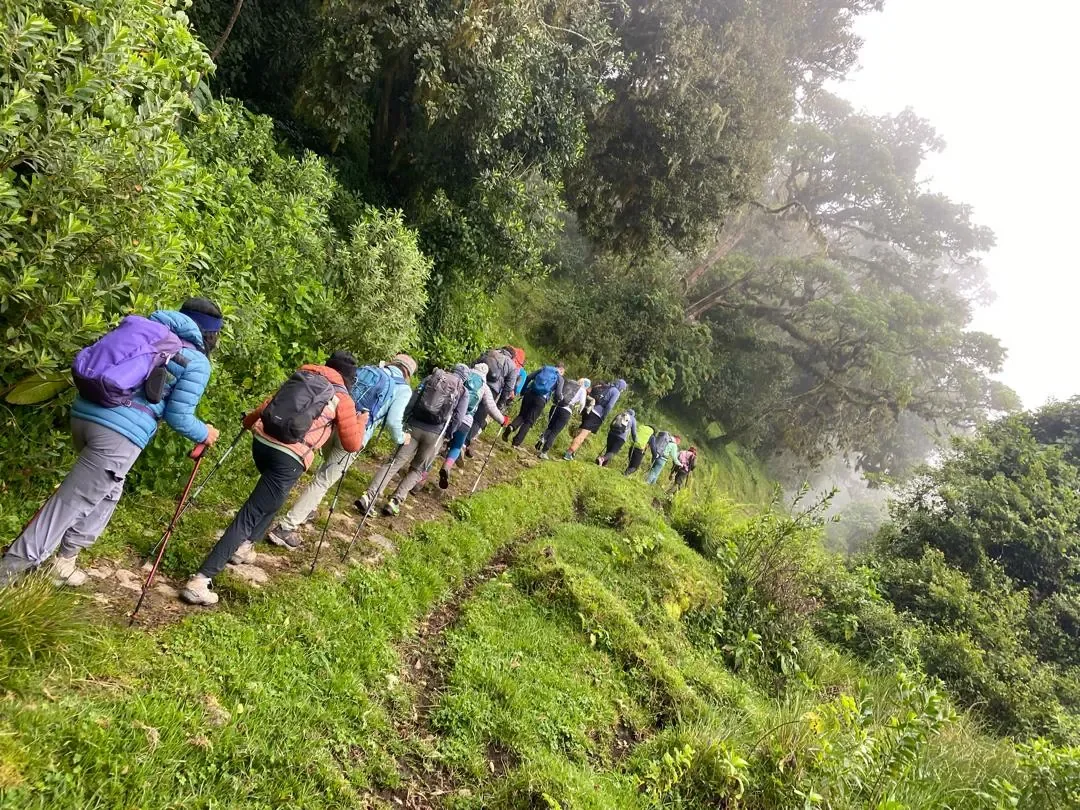
From Big Tree Camp, you set out for Shira 2 Camp at a pace suited to the distance and planned activity. Vegetation, temperature and views change as the trail gains or loses height, so regular water breaks and a steady rhythm matter more than speed.
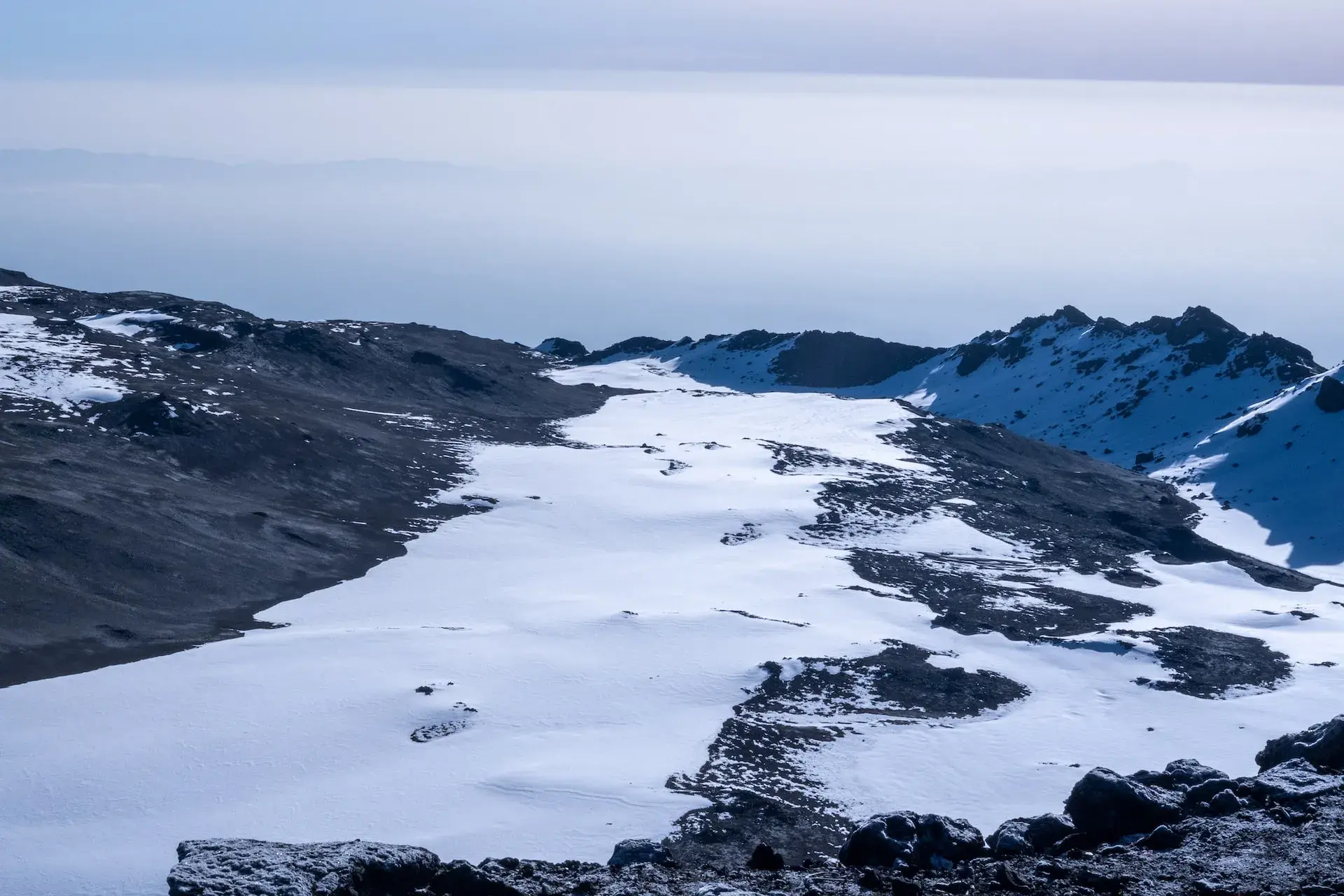
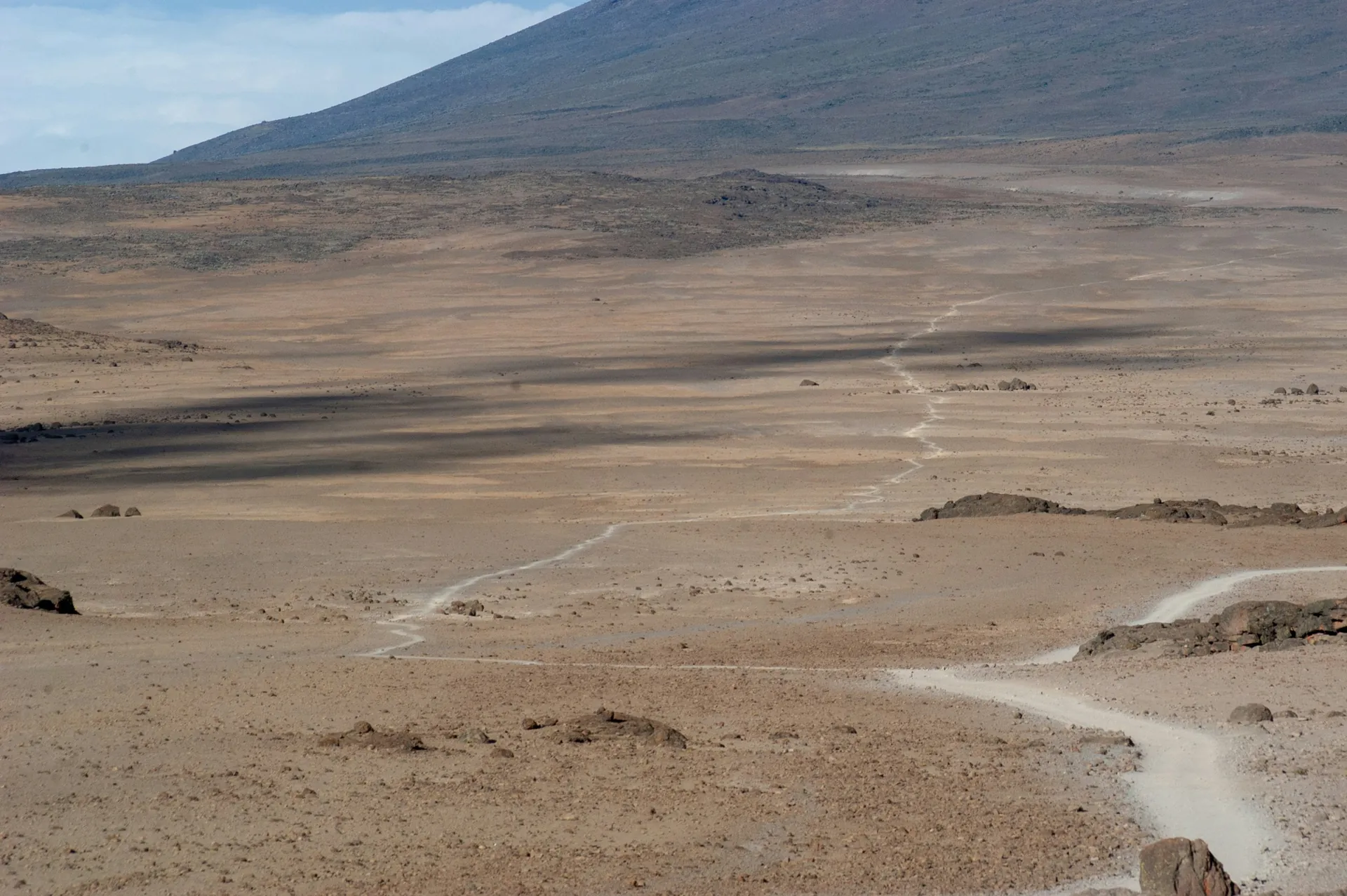
The trail climbs into sparse alpine desert around Lava Tower before descending to sleep lower. This deliberate gain and loss of altitude is an important acclimatization stage, and the pace is adjusted to how the group is responding. After the day's activities, settle in at Shira 2 Camp for rest and overnight.
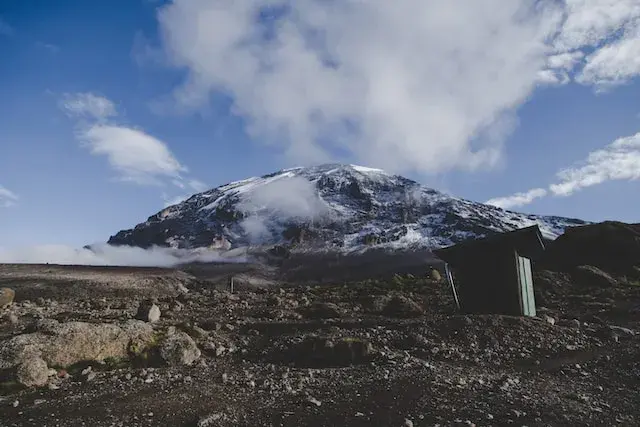
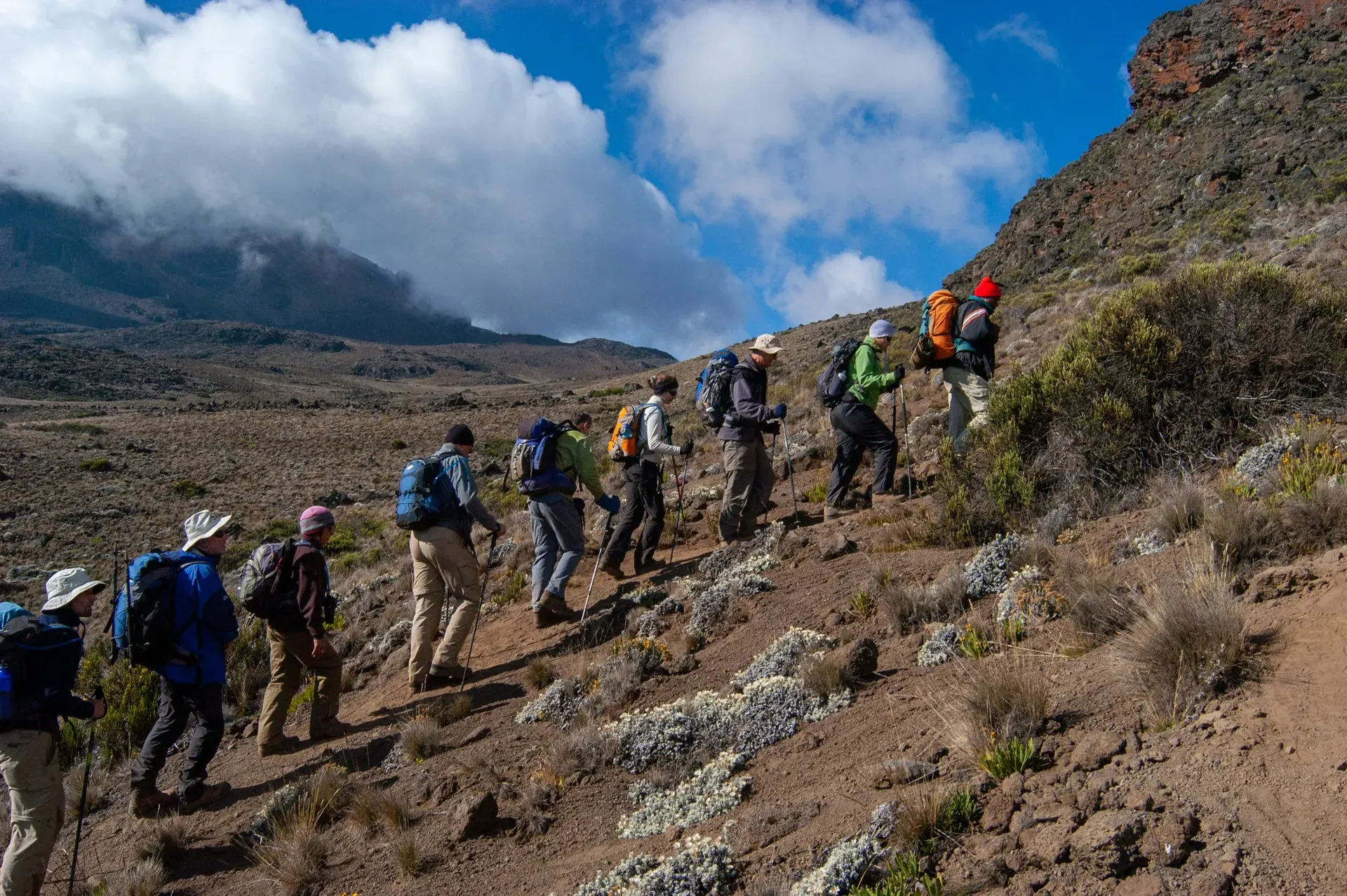
Shira 2 Camp is the starting point for today’s journey to Moir Hut (Northern Traverse Begins). This quieter side of Kilimanjaro passes through a distinct high-altitude landscape, from forest and heath to open moorland or alpine desert. The guide uses the terrain and the group’s condition to set a sustainable pace.
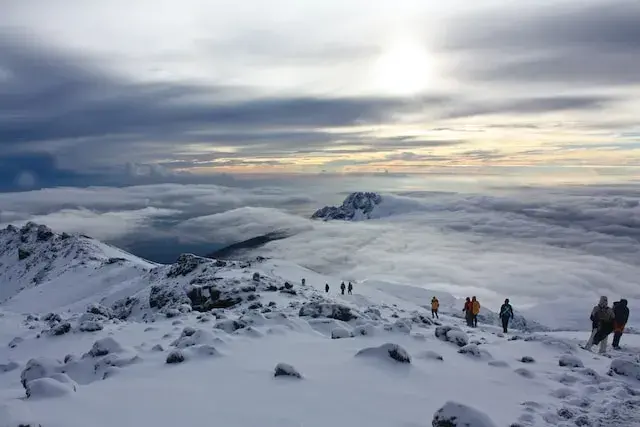
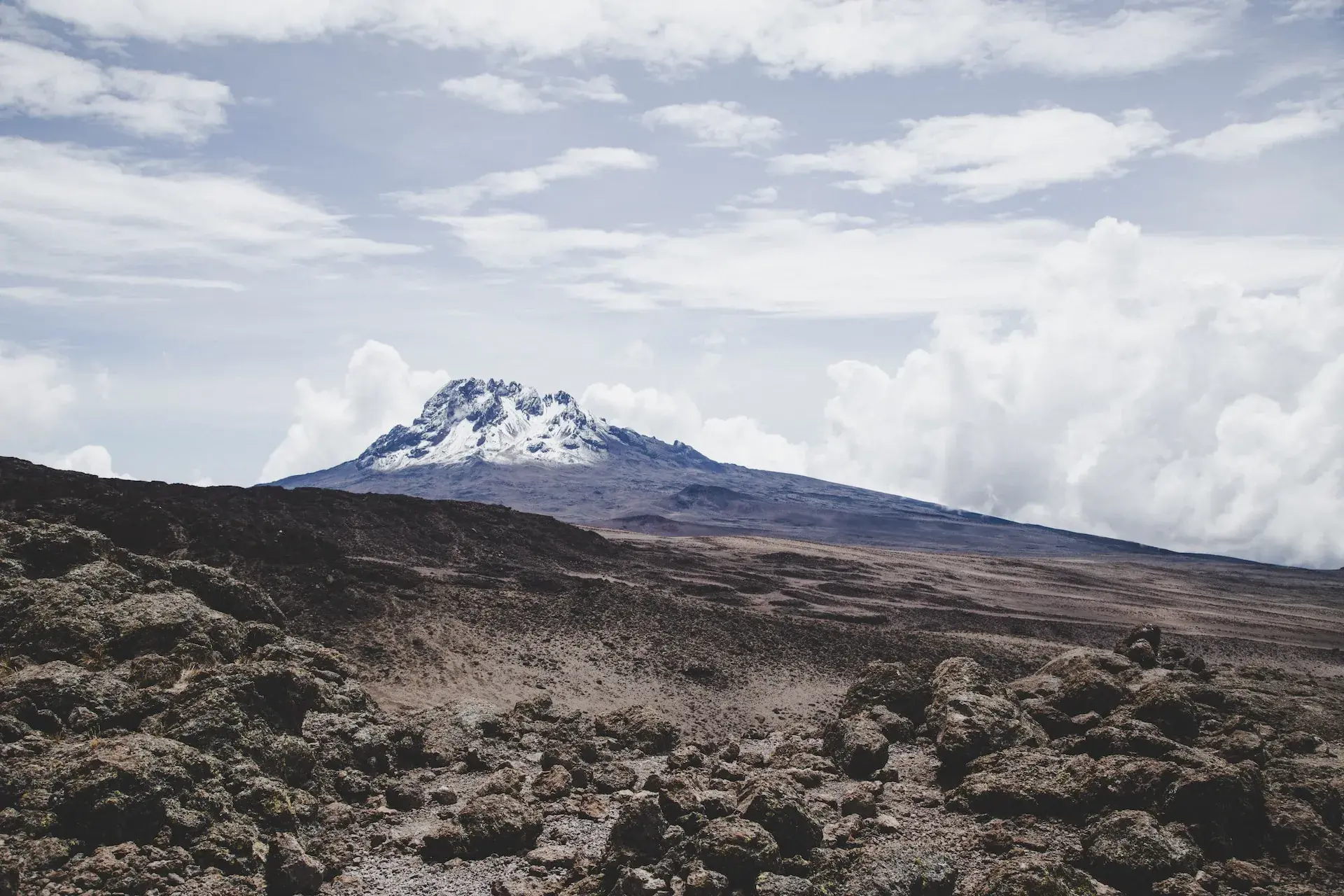
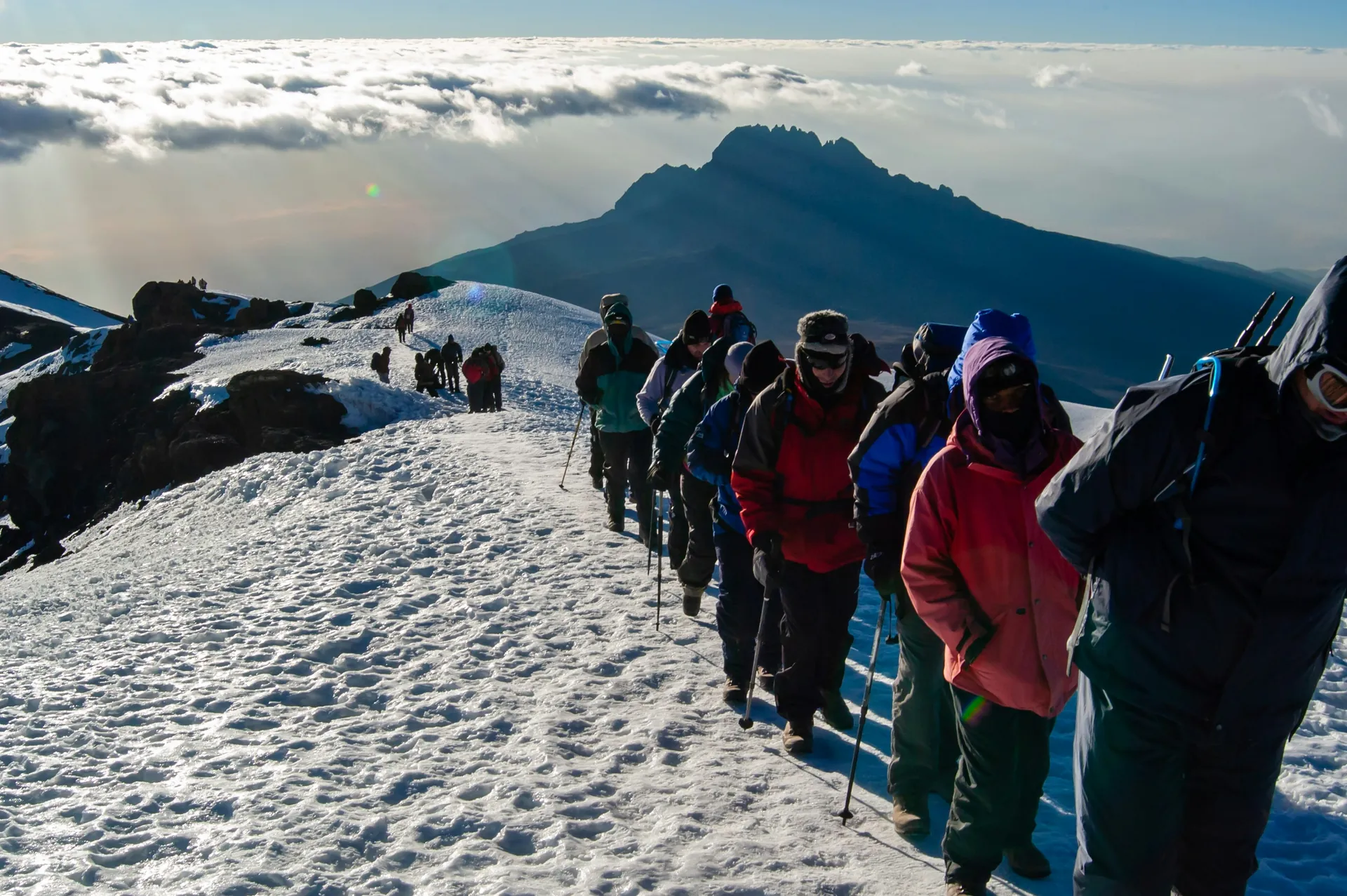
Today’s stage links Moir Hut with Acclimatization Rest Day, giving the journey a clear sense of place from beginning to end. This quieter side of Kilimanjaro passes through a distinct high-altitude landscape, from forest and heath to open moorland or alpine desert. The guide uses the terrain and the group’s condition to set a sustainable pace.
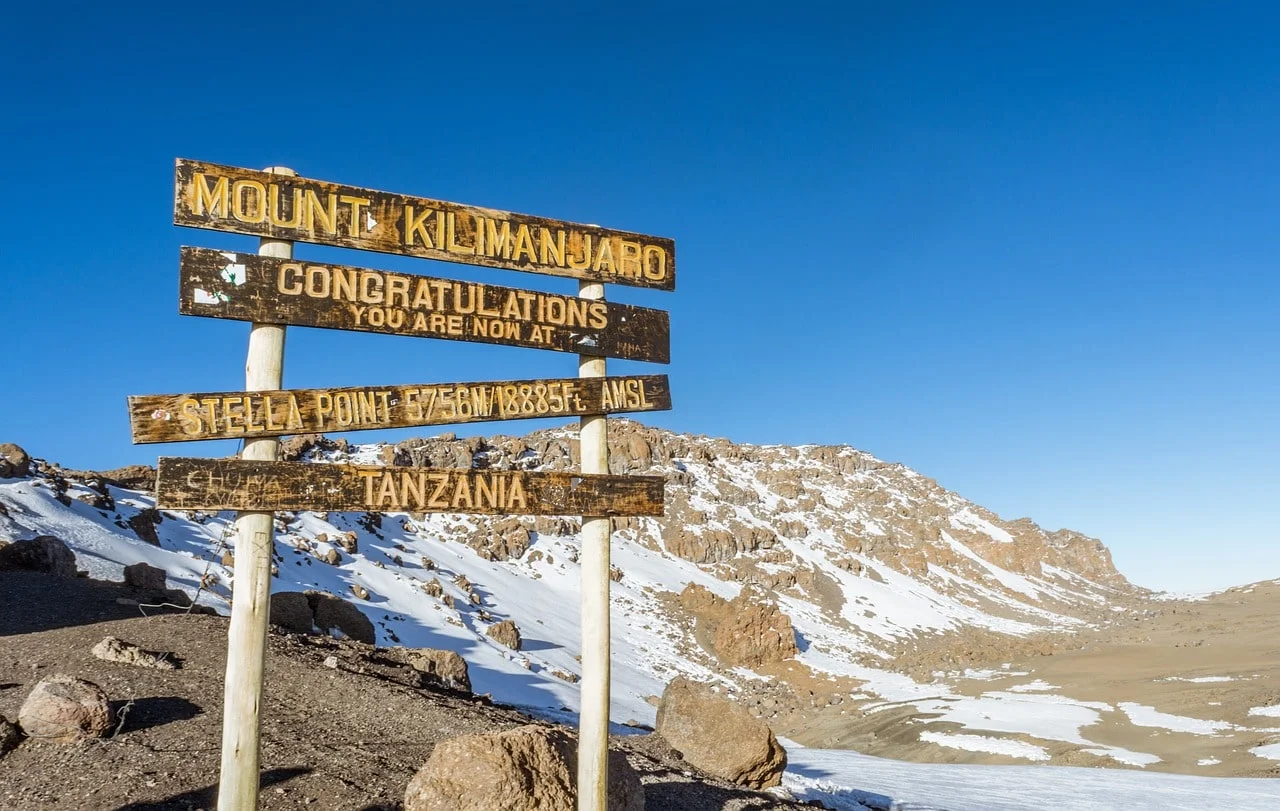
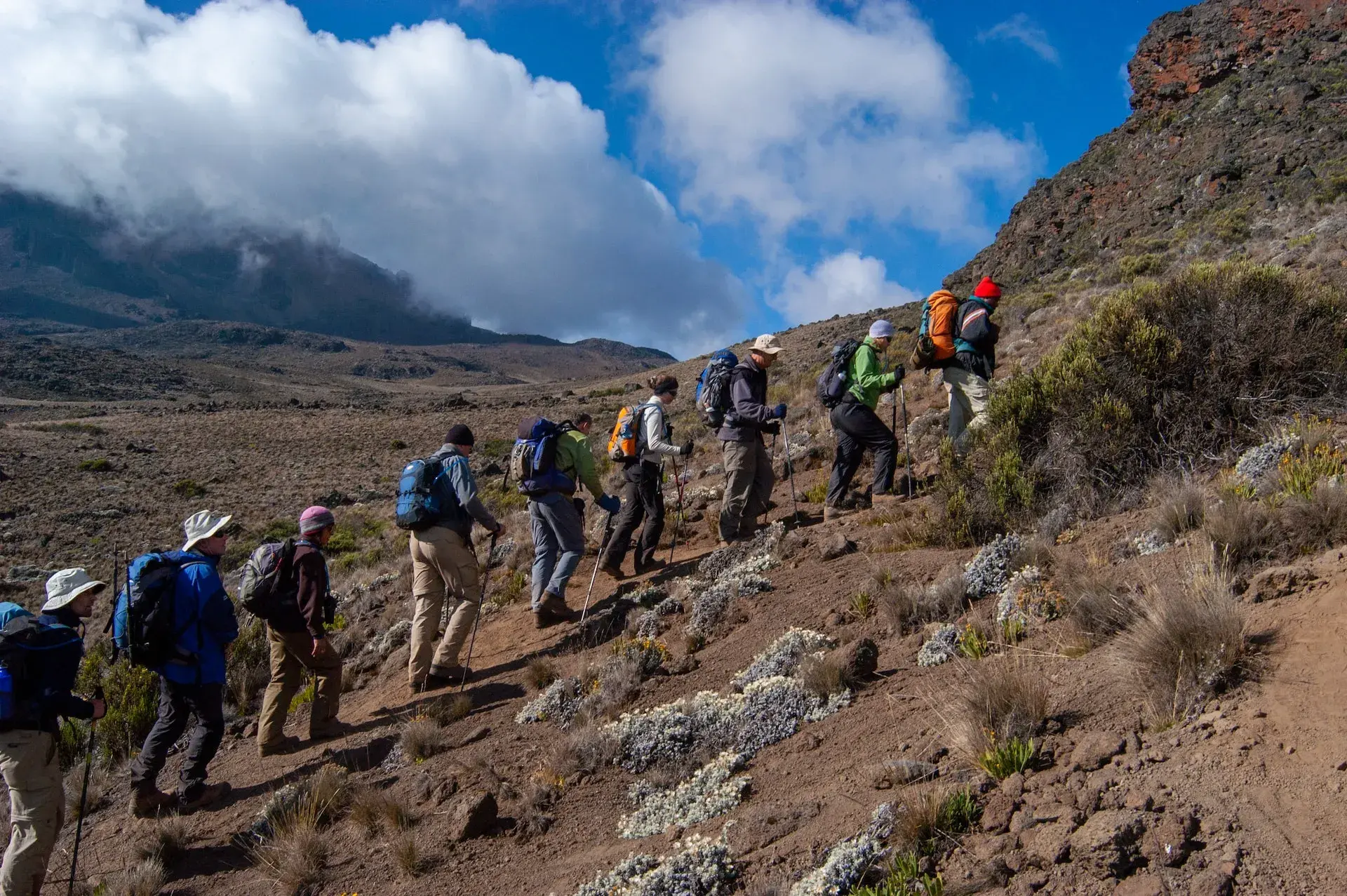
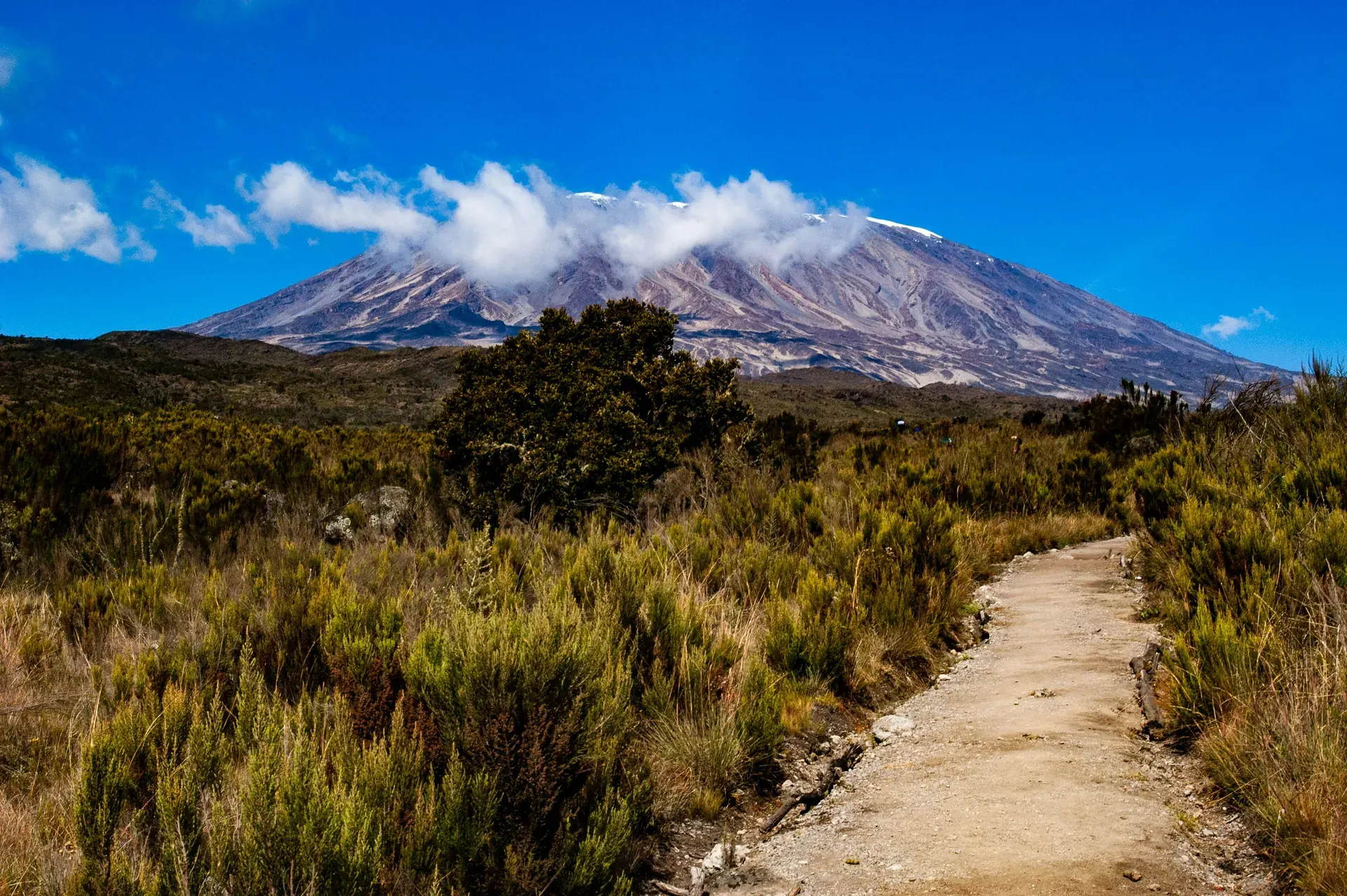
This quieter side of Kilimanjaro passes through a distinct high-altitude landscape, from forest and heath to open moorland or alpine desert. The guide uses the terrain and the group’s condition to set a sustainable pace. After the day's activities, settle in at Third Cave Camp for rest and overnight.
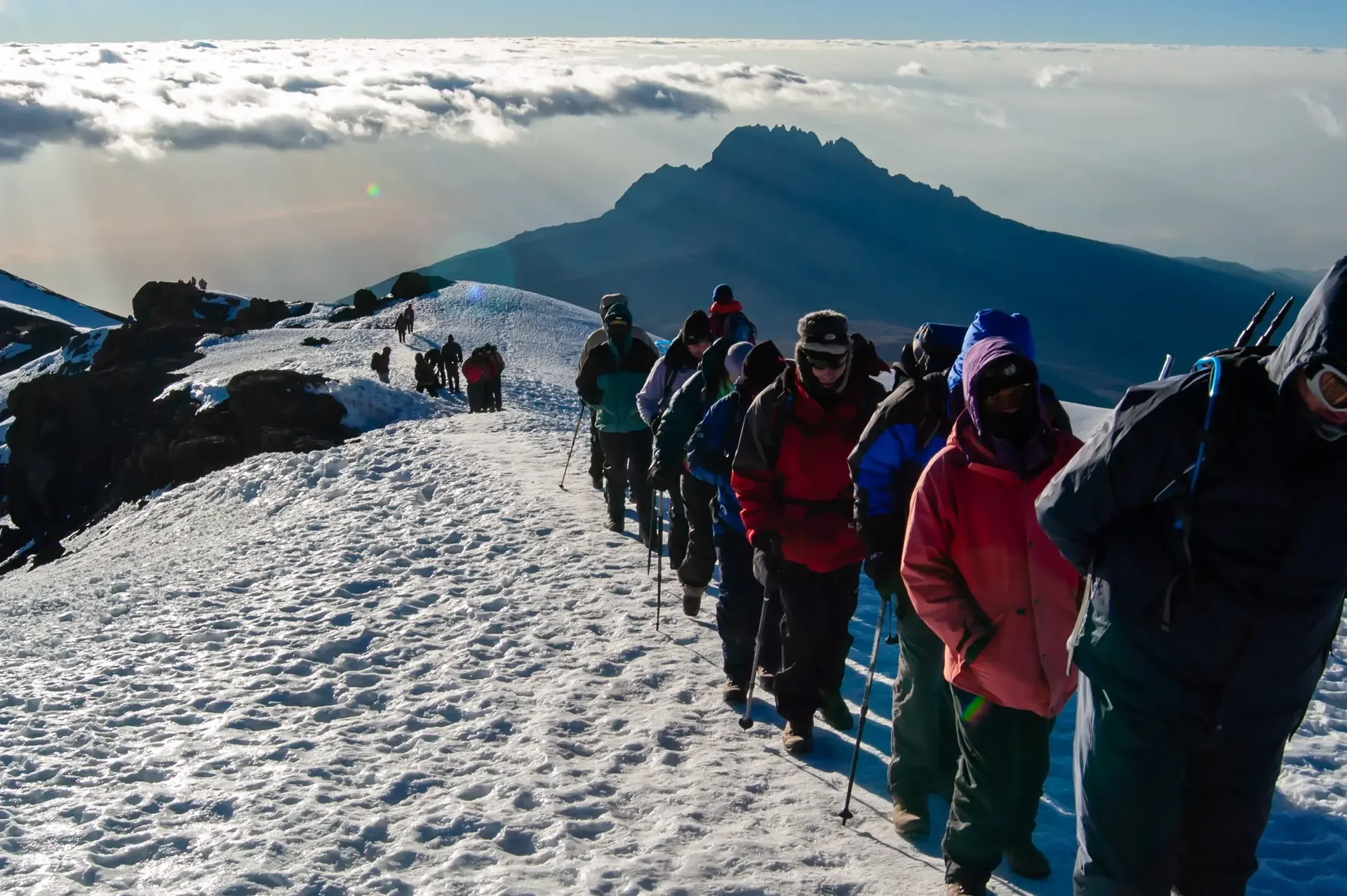
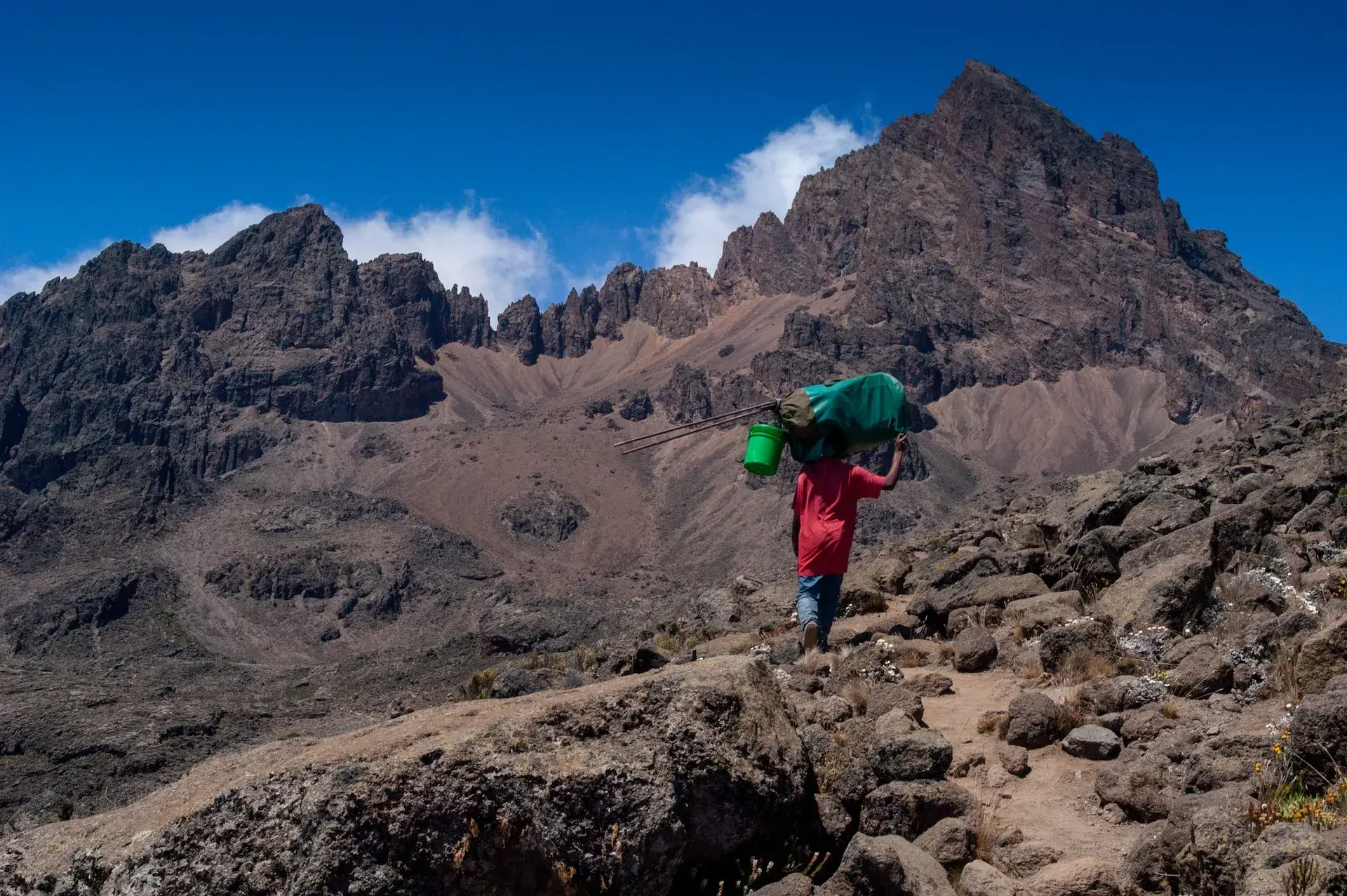
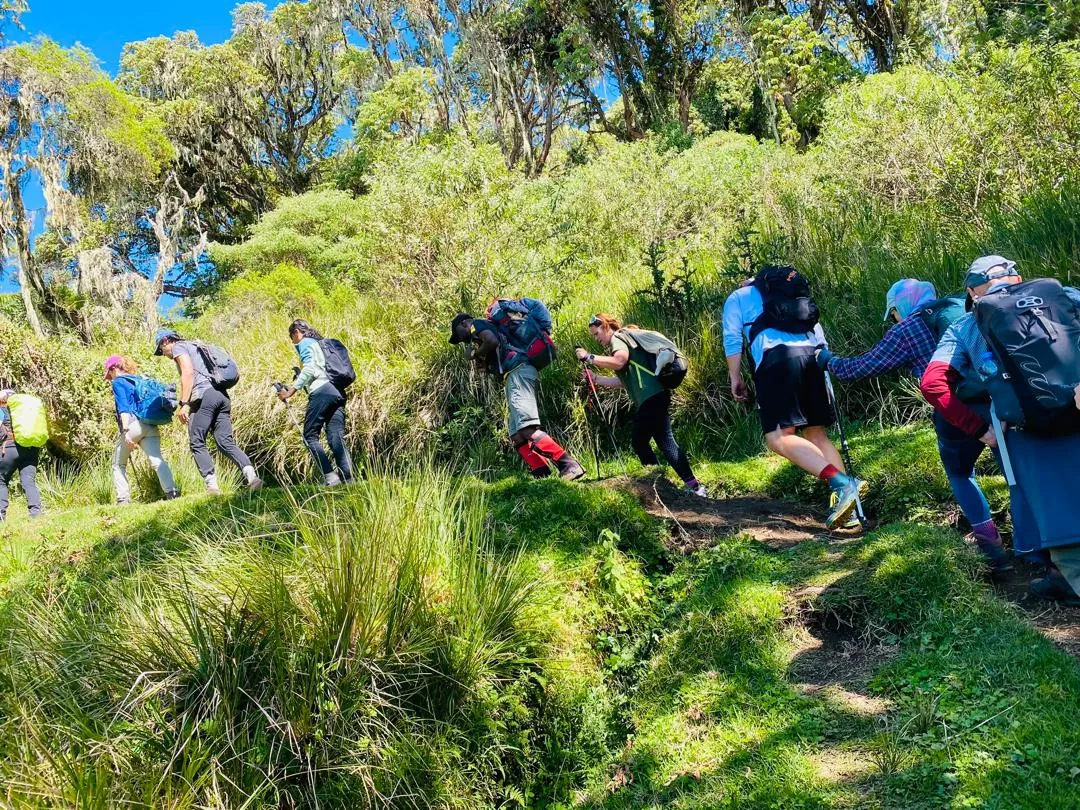
Today’s stage links Third Cave Camp with School Hut, giving the journey a clear sense of place from beginning to end. Vegetation thins across the high saddle as the trail approaches the final camp. The stark volcanic setting makes this a day for controlled effort, hydration, early rest and careful preparation for the summit stage.
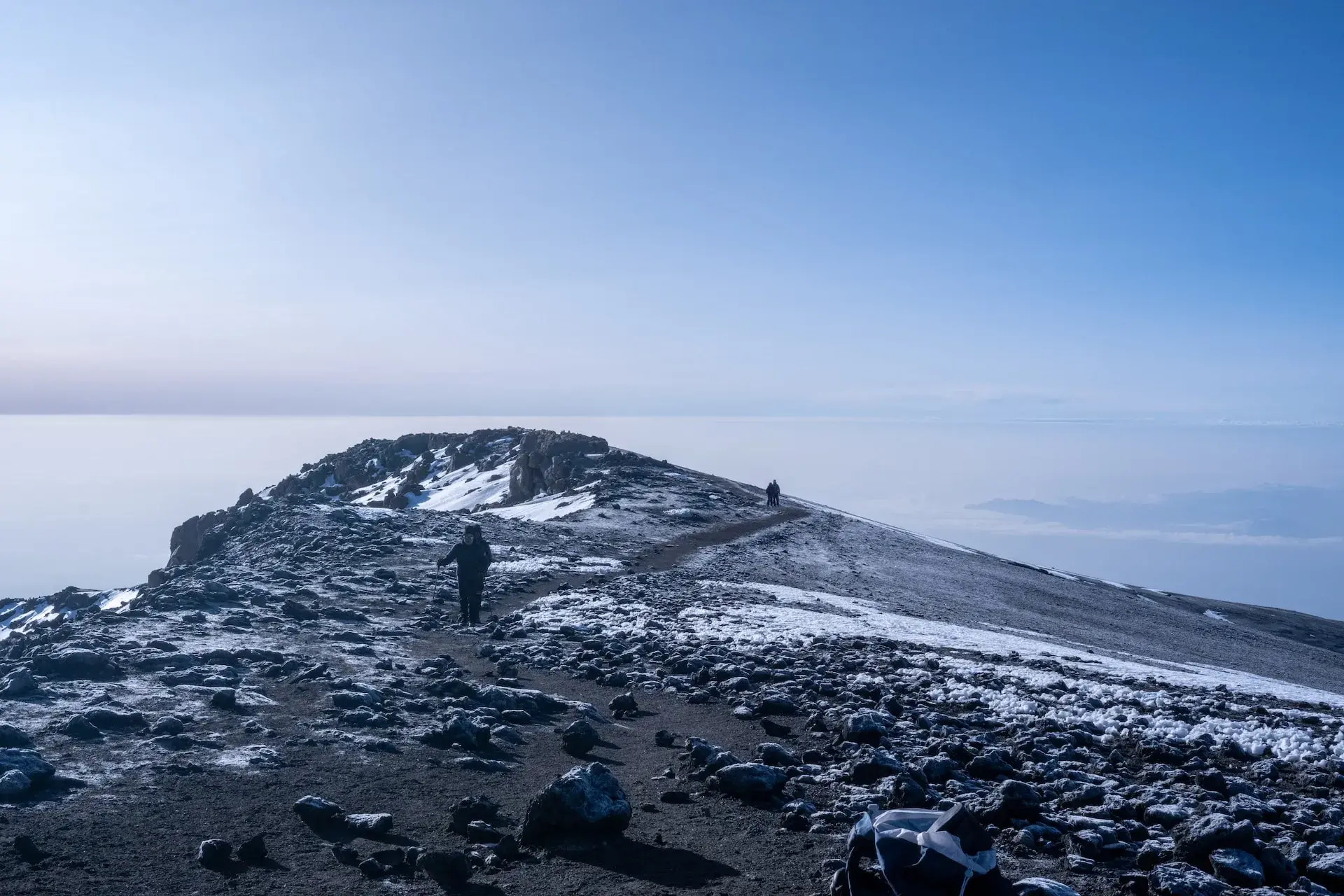
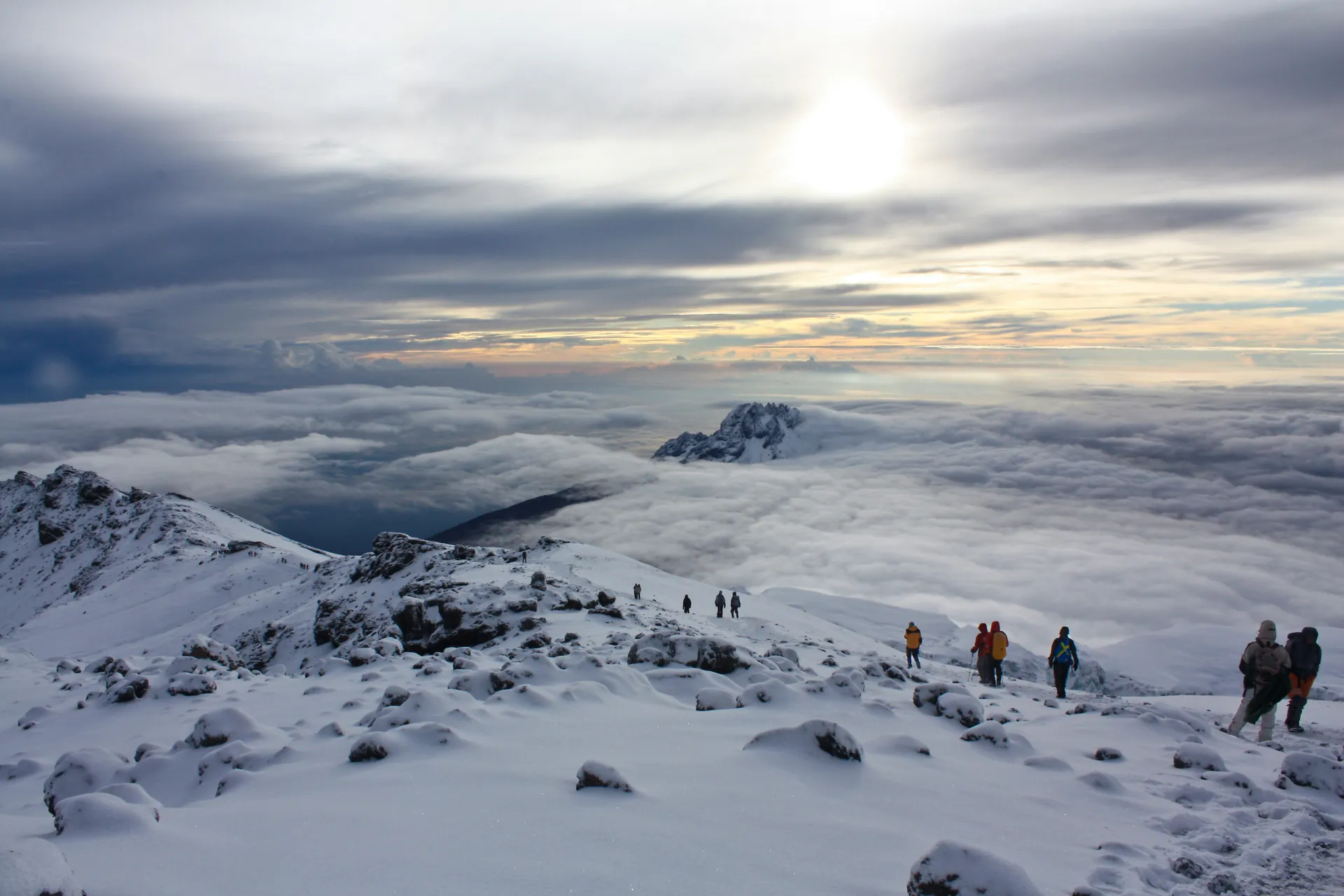
Today’s stage links School Hut with Mweka Camp, giving the journey a clear sense of place from beginning to end. The climb starts in the cool, dark hours and follows a slow, deliberate pace toward the crater rim or summit. Conditions, altitude and each trekker’s wellbeing determine progress; the descent then continues to the camp or gate named in the route.
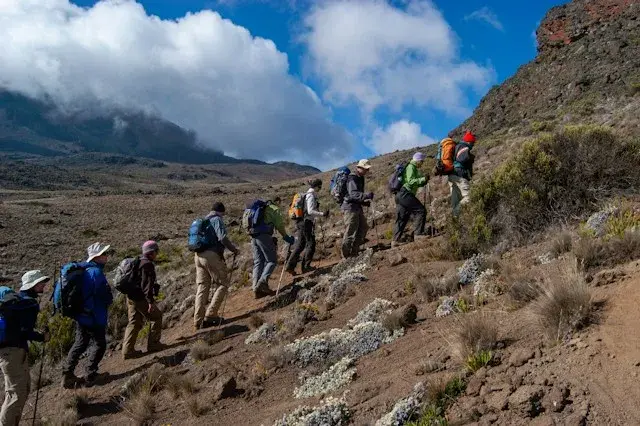
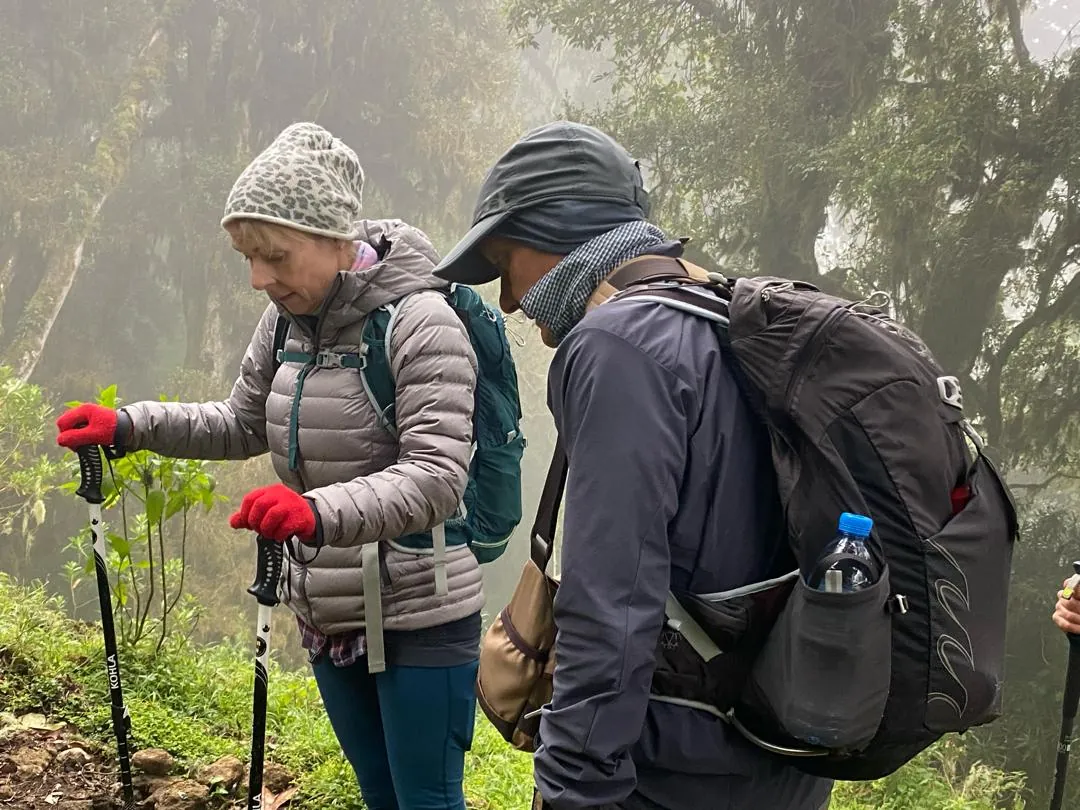
Starting from Mweka Camp, the journey leads to Moshi through the landscapes named in the program. The descent leaves the alpine slopes for heath and then rainforest, with warmer air and denser vegetation returning quickly. Careful footwork matters on steeper or damp sections before the walk finishes at Mweka Gate. On the LuiTours & Safaris - Tanzania Safari & Kilimanjaro Experts, this is the main focus of day 10.
9-Day Northern Circuit - For Experienced High-Altitude Trekkers
The 9-day itinerary removes the dedicated rest day at Moir Hut, moving directly from Moir Hut to Third Cave on Day 5. This option is viable for climbers with previous high-altitude experience (above 4,500m) and strong acclimatization profiles. The 10-day itinerary provides a more gradual rhythm and additional recovery time, so it is strongly recommended for first-time high-altitude climbers.
Londorossi Gate is the starting point for today’s journey to Big Tree Camp. The trail reveals a distinct mountain zone, from forest and heath to open moorland or alpine terrain, and the measured pace supports acclimatization.
The morning starts in Big Tree Camp, with Shira 2 Camp as the final point on today’s route. Vegetation, temperature and views change as the trail gains or loses height, so regular water breaks and a steady rhythm matter more than speed.
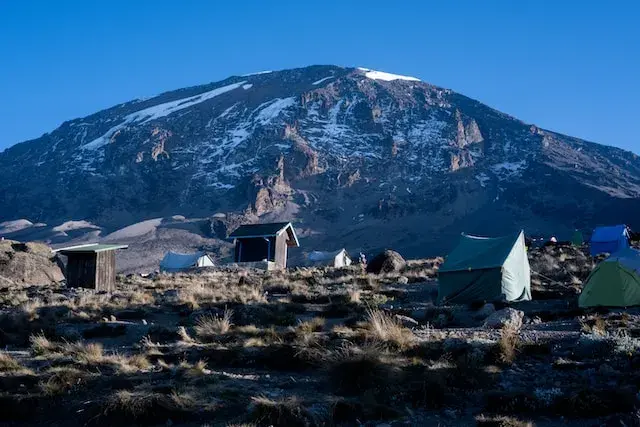
Starting from Shira 2, the journey leads to Shira 2 (Acclimatization) through the landscapes named in the program. The trail climbs into sparse alpine desert around Lava Tower before descending to sleep lower. This deliberate gain and loss of altitude is an important acclimatization stage, and the pace is adjusted to how the group is responding. After the day's activities, settle in at Shira 2 Camp for rest and overnight.
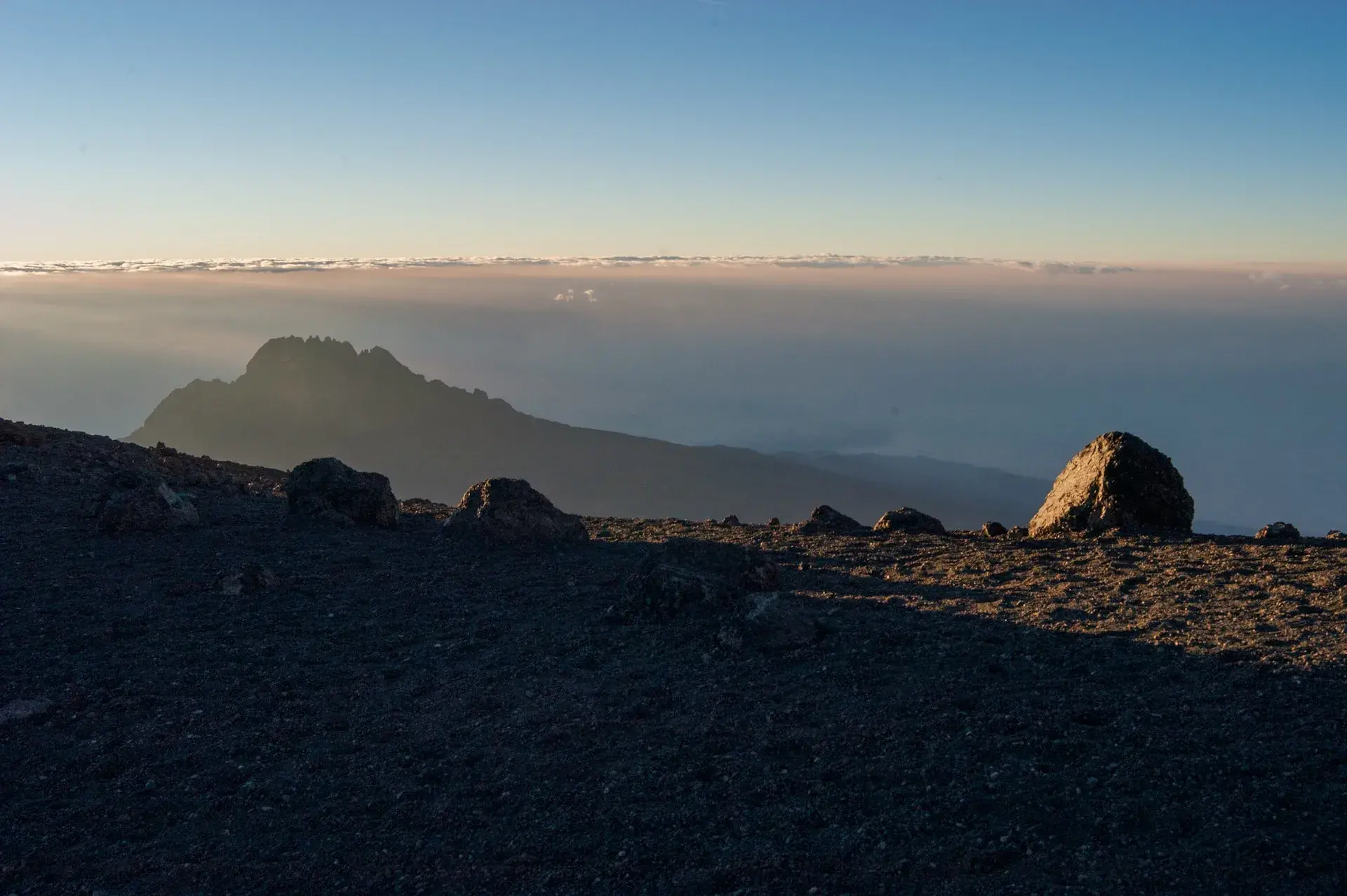
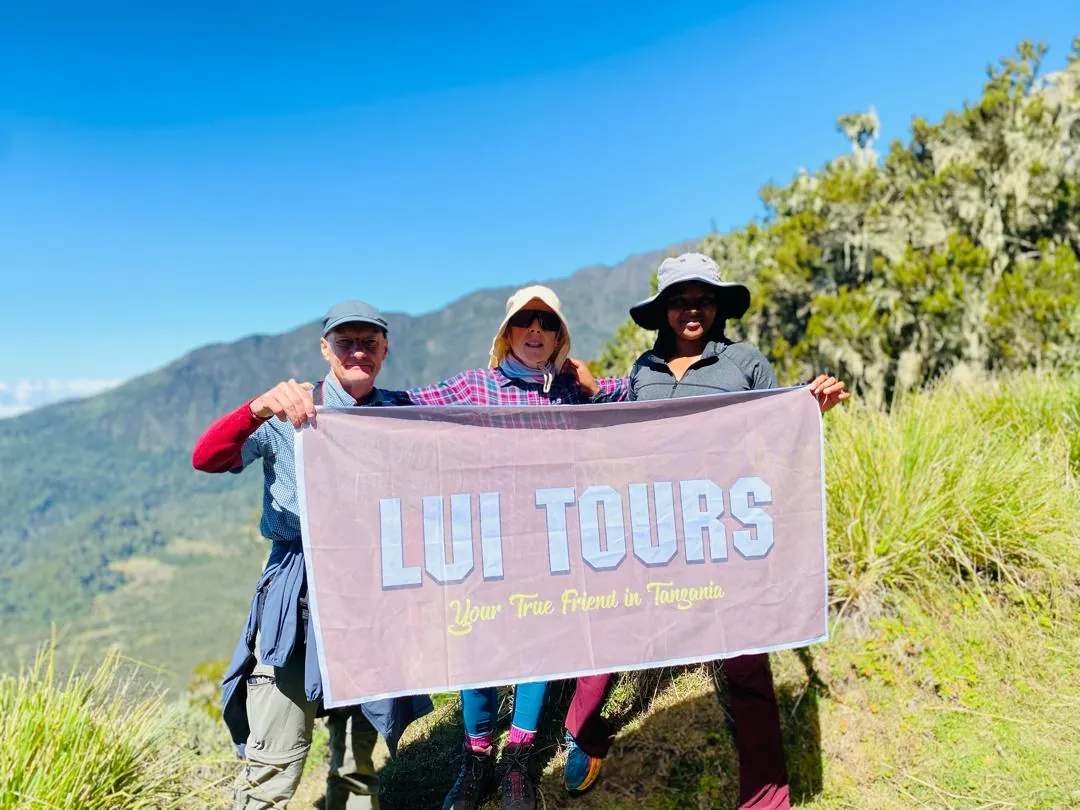
This quieter side of Kilimanjaro passes through a distinct high-altitude landscape, from forest and heath to open moorland or alpine desert. The guide uses the terrain and the group’s condition to set a sustainable pace. After the day's activities, settle in at Moir Hut for rest and overnight.
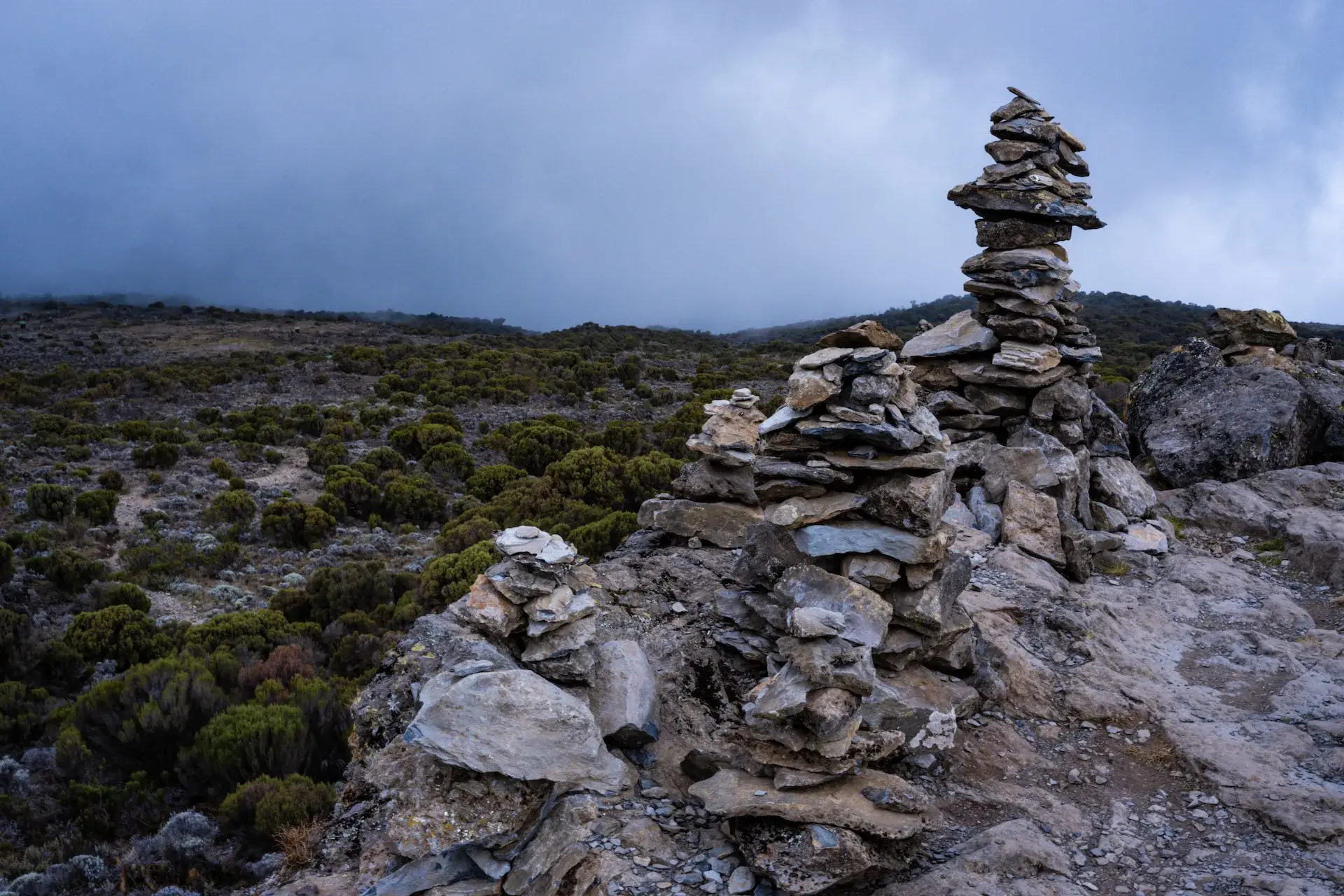
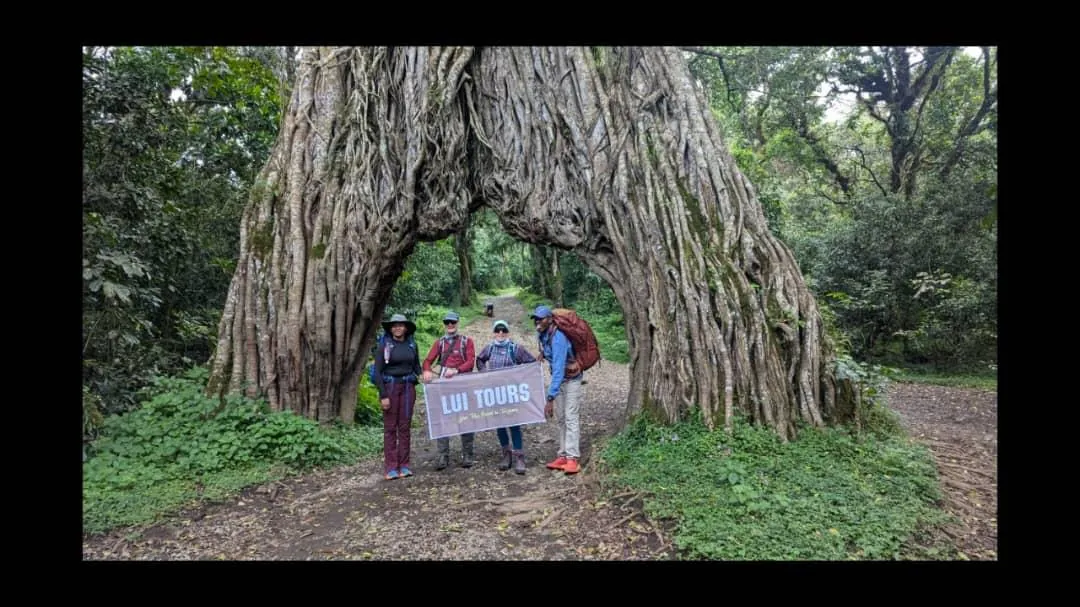
This quieter side of Kilimanjaro passes through a distinct high-altitude landscape, from forest and heath to open moorland or alpine desert. The guide uses the terrain and the group’s condition to set a sustainable pace. After the day's activities, settle in at Third Cave Camp for rest and overnight.
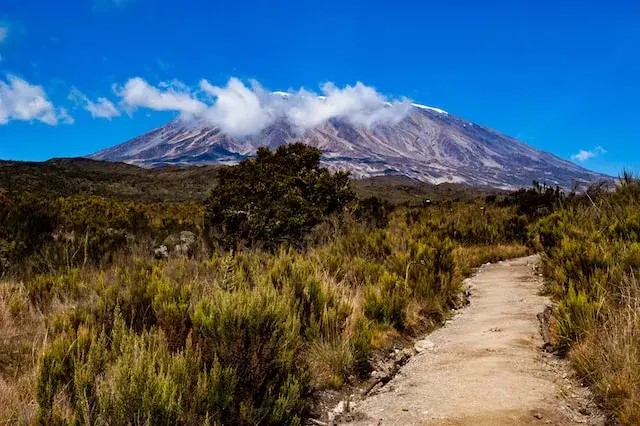
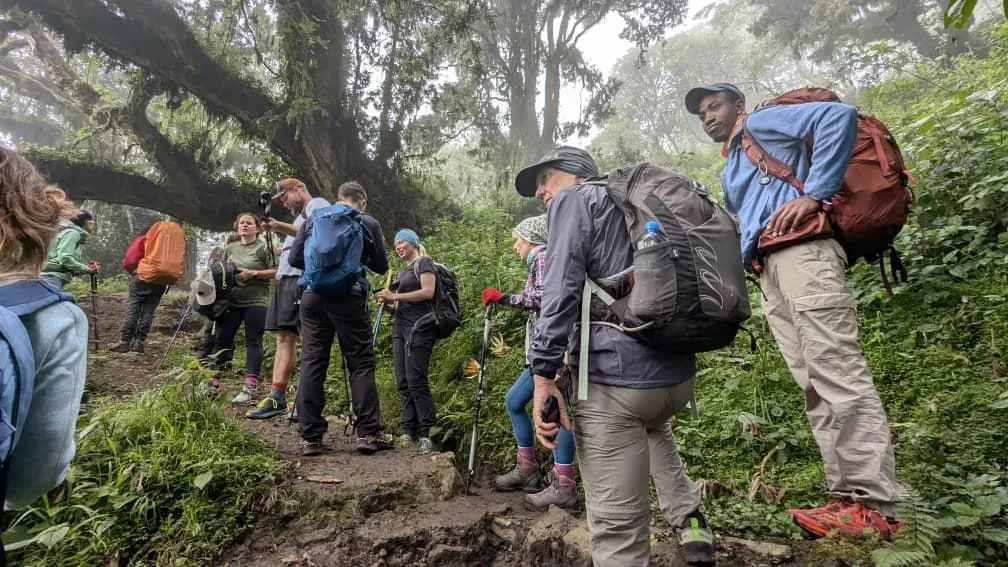
The morning starts in Third Cave, with School Hut as the final point on today’s route. Vegetation thins across the high saddle as the trail approaches the final camp. The stark volcanic setting makes this a day for controlled effort, hydration, early rest and careful preparation for the summit stage.
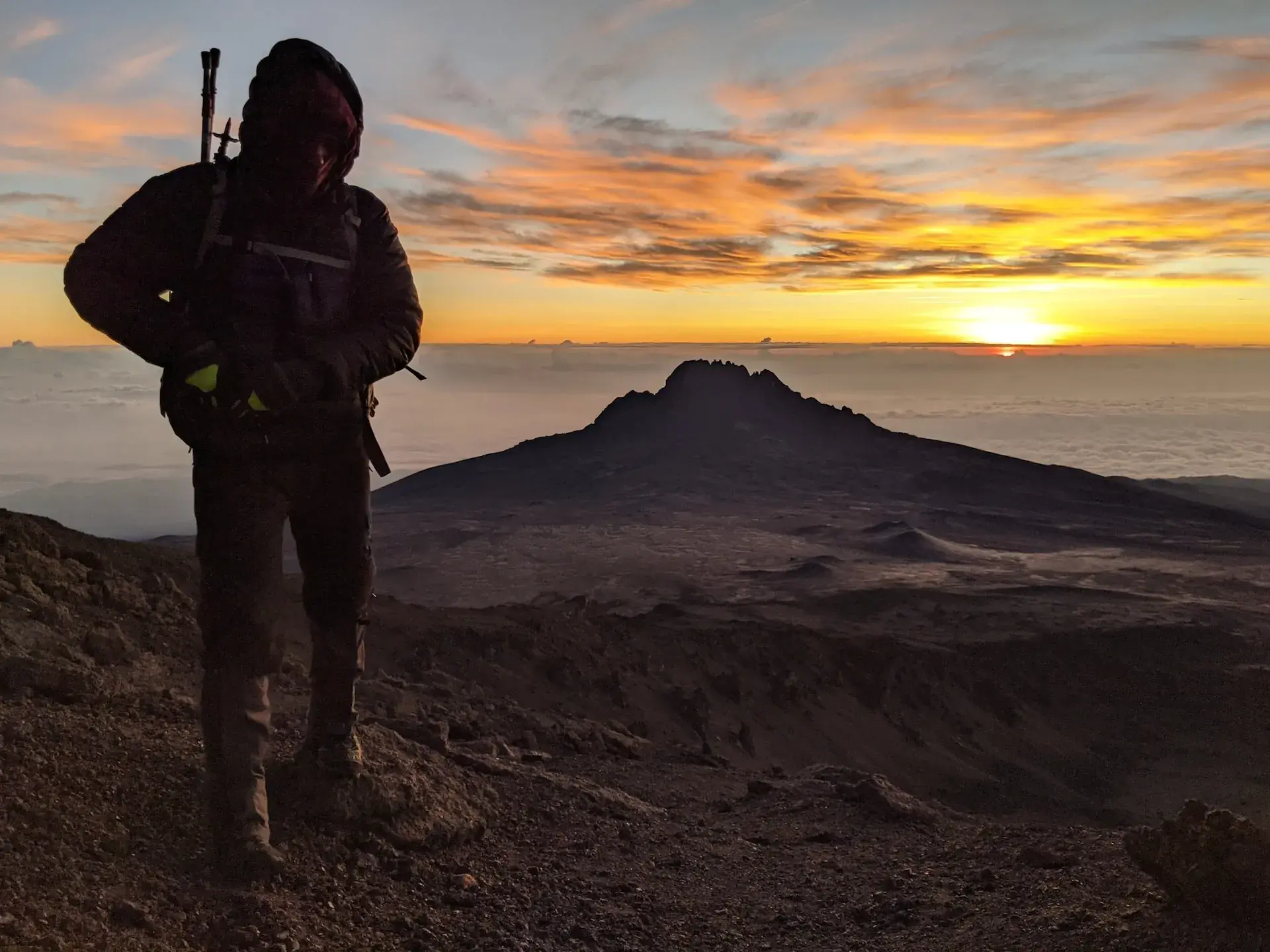
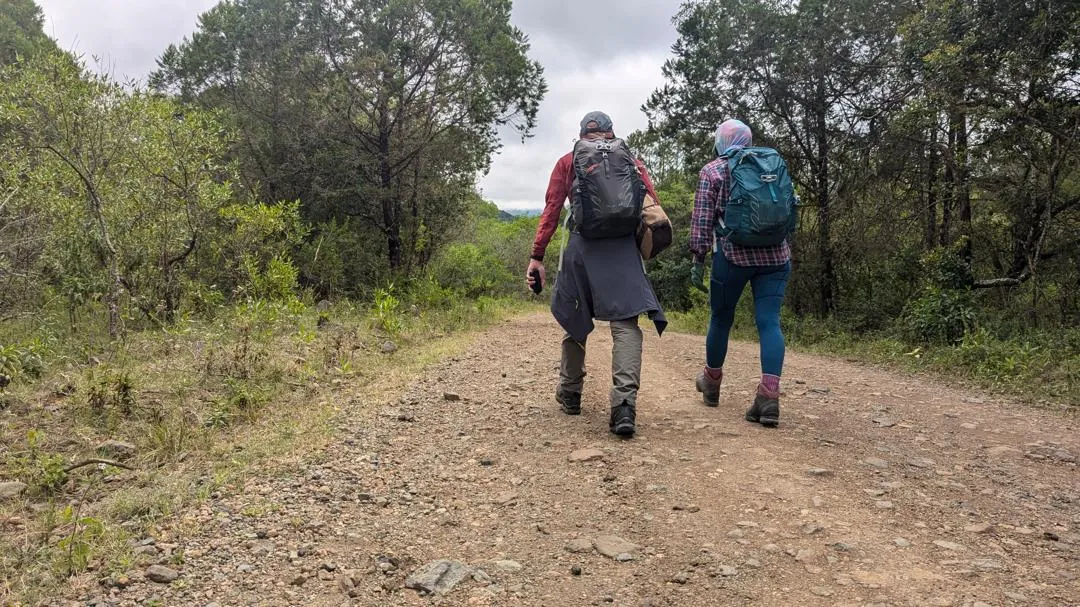
The morning starts in School Hut, with Mweka Camp as the final point on today’s route. The climb starts in the cool, dark hours and follows a slow, deliberate pace toward the crater rim or summit. Conditions, altitude and each trekker’s wellbeing determine progress; the descent then continues to the camp or gate named in the route.
The descent leaves the alpine slopes for heath and then rainforest, with warmer air and denser vegetation returning quickly. Careful footwork matters on steeper or damp sections before the walk finishes at Mweka Gate.
From Price
Minimum price only, based on 2 people sharing. Final pricing depends on season, availability and requested customizations.
| Package | From Price |
|---|---|
| Price for 2 People | From $2,450 per person |
What's Included & Excluded
- All Kilimanjaro National Park entry & conservation fees
- Rescue fee (KINAPA mandatory, included)
- Airport transfers (KIA Moshi hotel)
- 1 night arrival hotel + 1 night post-climb hotel
- All camping equipment: sleeping tents, dining tent, kitchen tent, sleeping mats
- All meals on the mountain (3 meals/day + snacks + unlimited hot drinks)
- KINAPA-certified, experienced lead guide
- Assistant guide(s) for groups of 4+
- Professional porters (1 porter per climber for personal kit)
- Summit Certificate (Uhuru Peak) or Achievement Certificate
- Daily pulse oximetry health monitoring by guides
- Emergency supplemental oxygen (2 cylinders per group)
- Full first aid kit and emergency stretcher/evacuation equipment
- LuiTours arrival briefing and packing consultation
- 24/7 WhatsApp support throughout your entire trip
- International flights to/from Tanzania
- Tanzania e-Visa ($50 USD - apply online before travel)
- Travel insurance (mandatory: must cover high-altitude trekking & evacuation)
- Personal sleeping bag (rental available from $15)
- Personal trekking poles (rental available from $8)
- Personal snacks and energy supplements
- Gratitudes/tips for guides and porters (strongly recommended)
- Alcoholic beverages
- Personal medication (Diamox, ibuprofen, personal prescription meds)
- Zanzibar beach extension (available as a popular add-on)
Recommended Tip Guidelines
Lead Guide: $25-30/day - Assistant Guide: $15-20/day - Cook: $15/day - Porters: $8-10/day. Bring US dollars in small bills. Tips are distributed at the Mweka Gate ceremony.
Essential Gear & Packing List
The Northern Circuit is Kilimanjaro's longest route - 9 or 10 days on the mountain - and passes through four distinct climate zones, including the remote and more exposed northern and northeastern faces where wind is stronger and more consistent. A robust gear list and high-quality layering system are essential. Trekking poles are particularly valuable given the route length.
Clothing Layers
- Moisture-wicking base layers (3 sets - longer route)
- Fleece mid-layer (zip-neck)
- Down jacket (600+ fill power)
- Hardshell waterproof jacket
- Waterproof trousers
- Trekking trousers (2-3 pairs)
- Thermal underwear (top + bottom)
Footwear & Feet
- Waterproof ankle-high trekking boots (well broken in)
- Camp shoes / sandals
- Wool hiking socks (5-6 pairs - longer route)
- Liner socks
- Gaiters (essential for summit scree)
- Trekking poles (strongly recommended - long route, steep descent)
Head, Hands & Eyes
- Warm beanie / balaclava
- Sun hat / baseball cap
- Lightweight trekking gloves
- Heavyweight summit mittens
- Glacier sunglasses (UV400 cat. 4)
- Headtorch + spare batteries
Pack & Carry
- Day pack 25-35L (you carry daily)
- Duffle bag 80-100L (porters carry)
- Pack rain cover
- Dry bags / stuff sacks
- Hydration bladder or 2L water bottles
- Extra zip-lock bags for wet gear
Health & Hygiene
- Diamox (acetazolamide) - consult doctor
- Personal first aid kit & blister care
- Biodegradable soap & hand sanitiser
- Wet wipes (mountain "showers" - more needed on longer route)
- Sunscreen SPF50+ & lip balm (SPF)
- Personal prescription medications
? Summit Night Essentials
- Thermos flask (filled with hot drink)
- High-energy snacks (gels, nuts, bars)
- Hand warmers (chemical, 8-10hr)
- Extra headtorch batteries
- Camera (keep inside jacket to stay warm)
- Positive mental attitude
Best Time to Climb the Northern Circuit
The Northern Circuit can be climbed year-round. The route's northern face sits in the partial rain shadow and tends to be drier than the southern routes - a meaningful advantage during Tanzania's rainy seasons. The two main dry seasons remain the preferred windows. Given the route's length and the number of days spent at altitude, booking during the best weather windows pays dividends.
| Climate Zone | Altitude | Day Temp | Night Temp | Conditions |
|---|---|---|---|---|
| Rainforest (Day 1) | 2,100-2,780m | 15-25 - C | 8-15 - C | Humid, occasional afternoon rain |
| Shira Plateau (Days 2-3) | 2,780-3,840m | 5-15 - C | 0-5 - C | Clear mornings, some wind on plateau |
| Northern Alpine (Days 4-7) | 3,840-4,750m | 0-10 - C | -5 - -10 - C | Dry, windy, strong UV, remote terrain |
| Arctic Summit (Summit Day) | 4,750-5,895m | -10 - -5 - C | -15 - -25 - C | Arctic conditions, wind, ice possible |
Altitude Zones & Acclimatization
The Northern Circuit's acclimatization profile is the most generous available on Kilimanjaro. Three distinct acclimatization interventions - the Lava Tower climb-high-sleep-low day, the rest day at Moir Hut, and the high-altitude School Hut approach - combine to give climbers on this route the strongest physiological preparation of any route on the mountain.
Diamox (Acetazolamide) - Our Guides' Recommendation
Diamox (125-250mg twice daily, starting 2 days before the climb) is recommended for Northern Circuit climbers as an additional safety margin even given this route's generous acclimatization profile. The northern traverse involves sustained time at 4,000-4,750m - Diamox supports the body's adaptation throughout these critical middle days. Consult your doctor before travel. Common side effects: increased urination and tingling in fingers/toes - both completely harmless. Do not take if allergic to sulphonamide drugs.