





Kilimanjaro is a non-technical high-altitude trek, but “non-technical” does not mean easy. Reaching 5,895 metres requires time, steady pacing, appropriate equipment and a trained mountain team that monitors how each climber responds to altitude.
What makes Kilimanjaro distinctive
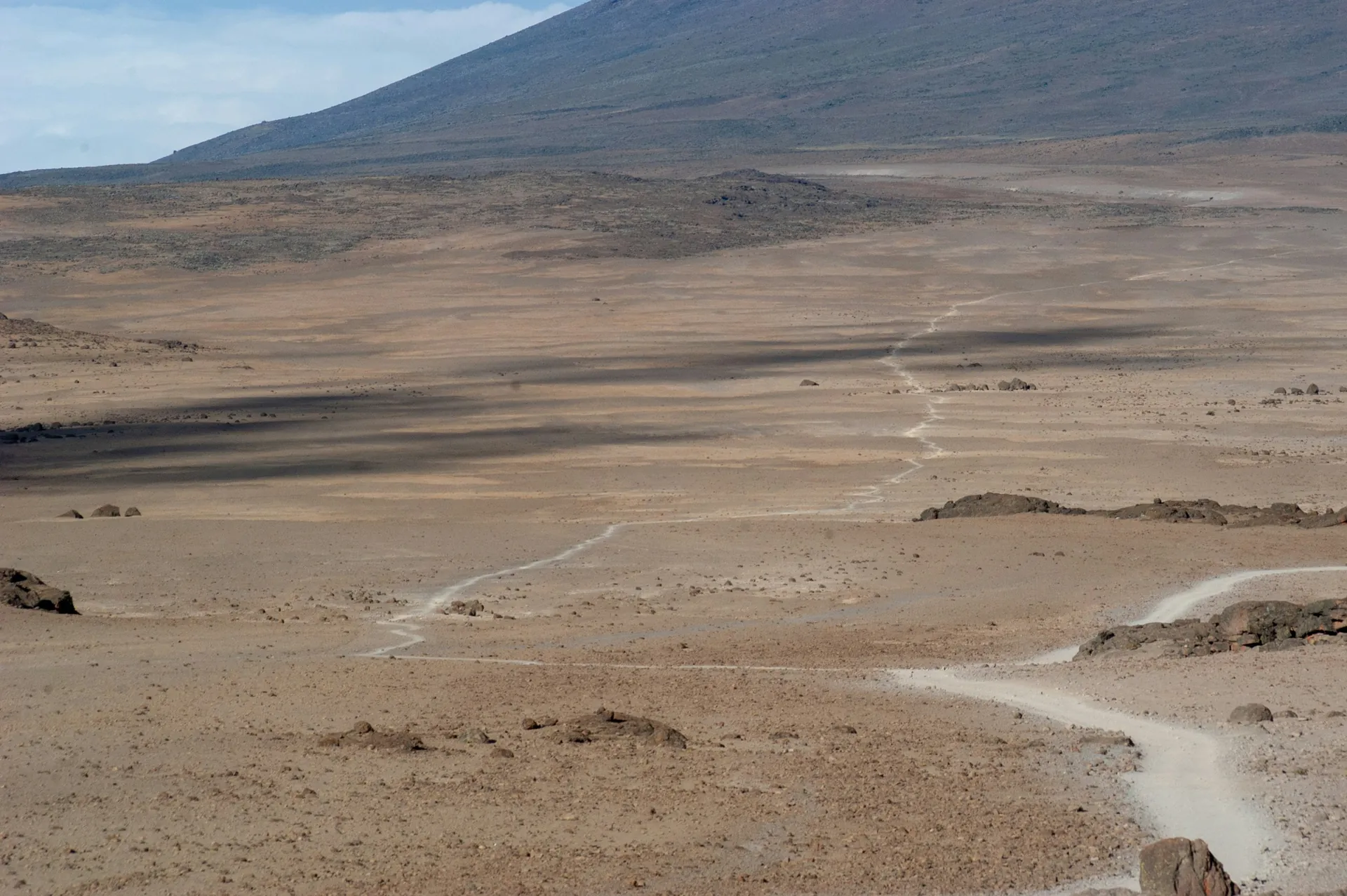
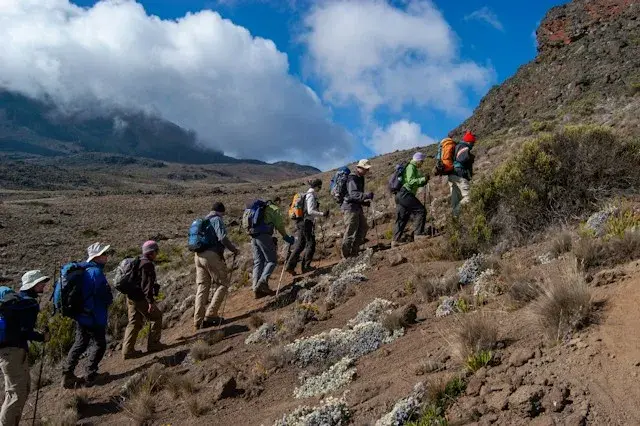
Kilimanjaro rises independently from the plains of northern Tanzania. Trekkers pass through cultivated foothills, montane forest, heath, moorland and alpine desert before reaching the cold volcanic summit zone. Those rapid ecological changes are part of the mountain's appeal and also explain why clothing must work across heat, rain, wind and sub-zero summit conditions.
No previous climbing technique is normally required on the main routes, but long days on uneven trails and the effects of reduced oxygen demand preparation.
Choosing a Kilimanjaro route
The route determines scenery, crowd patterns, accommodation style and—most importantly—the time available to acclimatise. The Kilimanjaro route comparison guide examines the options in detail.
| Route | Character | Planning consideration |
|---|---|---|
| Lemosho | Varied western approach with strong scenery | Usually chosen with enough days for gradual acclimatisation |
| Machame | Popular, scenic and physically varied | Camping route with steeper sections and busy periods |
| Marangu | Hut accommodation on the same ascent/descent corridor | Short schedules can make acclimatisation demanding |
| Rongai | Quieter northern approach | Useful seasonal alternative with a different landscape |
| Northern Circuit | Long, remote traverse around the north | More days and a higher overall trip cost |
Altitude and acclimatisation
Altitude sickness can affect fit, experienced travellers as well as first-time trekkers. Headache, nausea, unusual fatigue, poor sleep and loss of appetite should be reported promptly. Guides make decisions using symptoms and observations, not determination alone.
Descending is the correct response when symptoms indicate that continuing is unsafe. A responsible team never treats a summit as more important than a climber's health.
Longer itineraries generally allow a more gradual height gain. Walking slowly, drinking regularly, eating enough and resting at camp support acclimatisation, but none removes altitude risk completely. Review our dedicated altitude and acclimatisation notes.
How to train
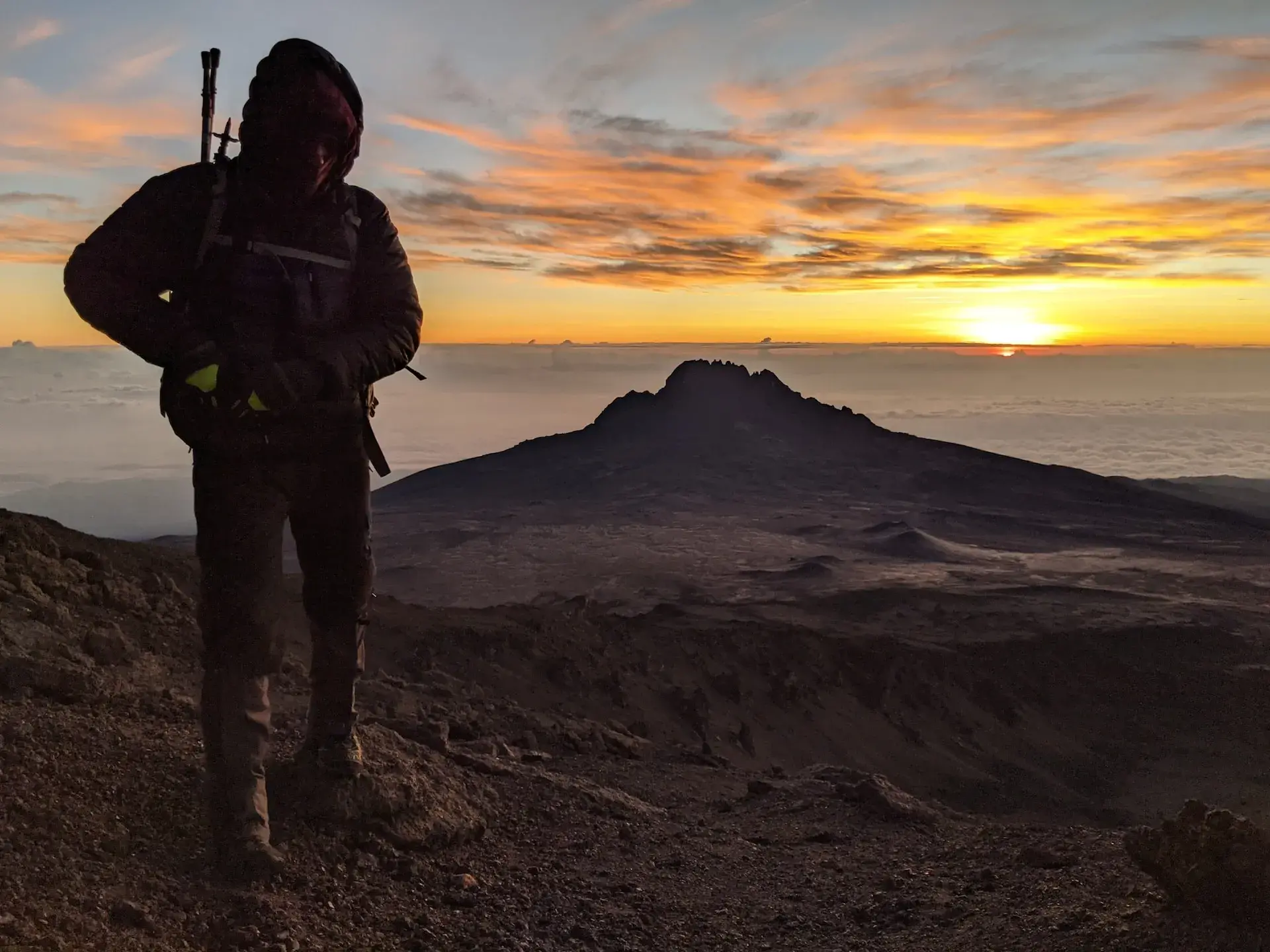
Build a base of regular walking, then add hills, stairs and longer consecutive days. Train in the footwear you will use and carry a light daypack. Strength work for legs, hips and core helps with stability, while aerobic conditioning makes long trail days more comfortable.
- Increase distance gradually rather than making sudden jumps.
- Include back-to-back walking days to practise recovery.
- Test socks, layers and rain protection before departure.
- Allow recovery time and address pain before it becomes an injury.
Clothing and equipment
A layering system should include moisture-managing base layers, warm insulation, waterproof outer layers, gloves, warm headwear and sun protection. A properly fitted sleeping bag, headtorch, trekking poles, water capacity and a small personal medical kit are also important. Cotton is slow to dry and is generally a poor choice for cold mountain conditions.
Send your operator a list of what you own and what you plan to rent. Equipment should be checked before leaving town, not discovered to be unsuitable at the first camp.
What daily life on the mountain is like
The team normally wakes trekkers with a warm drink, provides breakfast and prepares camp while guests begin walking with the guide. Porters move essential group equipment between camps, and cooks prepare meals in demanding conditions. Respectful treatment, appropriate load management and fair procedures matter throughout the climb.
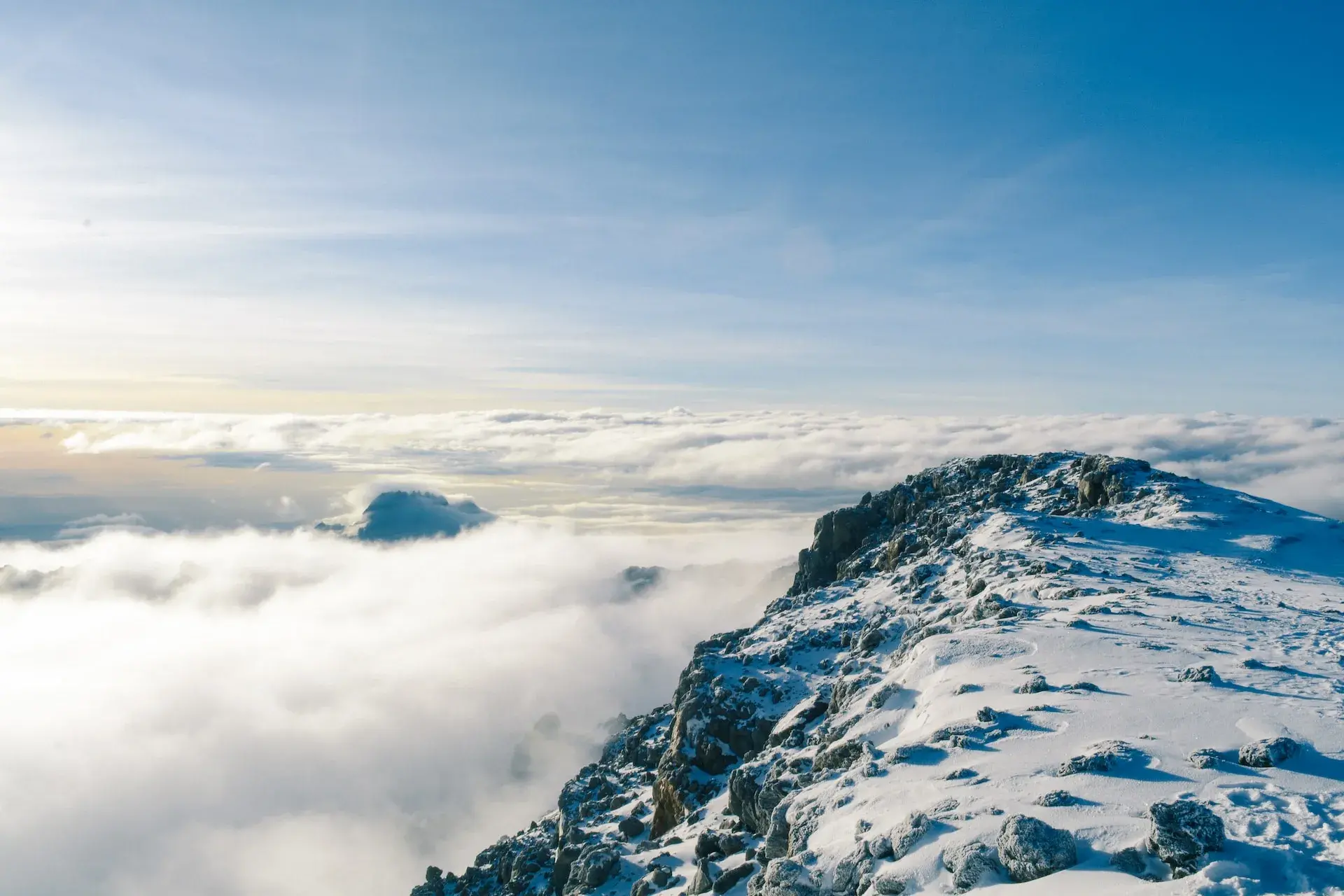
Summit night often begins around midnight. It is slow, cold and mentally demanding. The descent after reaching the crater rim or summit is substantial, so energy must be managed for the full day—not only the ascent.
Weather and timing
January to early March and June to October are commonly selected for drier conditions, although mountain weather changes quickly in every month. Clear mornings can become wet afternoons, and wind chill near the summit can be severe. See the Tanzania seasons guide if you plan to combine the climb with safari.
Choosing a responsible operator
Ask how guides are trained, how health checks are handled, what emergency equipment is carried, how porter welfare is managed and exactly what the quoted price includes. The least expensive climb can hide rushed schedules, inadequate food or unfair working conditions.
Prepare for the whole journey
The summit photograph is only one moment. A well-planned climb should also leave room to appreciate the forest, volcanic landscapes, camp life and the skill of the Tanzanian crew. Choose enough days, arrive prepared and be willing to make safe decisions as conditions evolve.
The final pre-departure check
Two weeks before travel, review insurance wording, passport details, emergency contacts, rental sizes and the current equipment list. Break in boots earlier; this is not the time for a final punishing training block. Keep essential layers, medicine and documents in cabin luggage in case checked baggage is delayed. The pre-climb hotel should allow time for a full guide inspection and replacement or rental of missing items.
Agree how the group will handle a member’s descent. Guides may split staff so one climber can go down while others continue, but the exact system depends on team size and conditions. Friends should support the safety decision without guilt or negotiation. A clear discussion before the gate helps everyone understand that returning healthy is the shared objective.
Keep the guide’s emergency number and hotel address offline, and ensure a companion at home knows that mountain communication may be delayed.
Treat the hotel briefing as part of the expedition
Arrive with enough time for sleep, delayed baggage and a complete equipment check. The lead guide should see boots, waterproofs, insulated layers, sleeping system, headlamp and personal medicine—not simply ask whether everything is packed. Rental replacements are easier in town than at a mountain gate. Keep summit-critical clothing and documents in cabin baggage on the international journey, and carry the guide’s contact and hotel address offline.
The briefing is also where communication is agreed. Share previous altitude symptoms, dietary needs, injuries and medicine privately when appropriate. Ask how daily health checks work, who makes a descent decision and how the team can split if one climber needs to go down. Friends should agree before departure that safety decisions will be supported without guilt. A route creates time to acclimatise; it never creates a guarantee.
Prepare for ordinary days, not only summit night
Most of the climb is a sequence of steady walking, eating, drinking, changing layers and sleeping in unfamiliar conditions. Practise that rhythm on training hikes with the boots and daypack you will use. Uphill fitness helps, but descending strength, foot care and the ability to move slowly for several hours matter just as much. The route comparison on choosing a Kilimanjaro route helps protect enough days for this rhythm.
After the summit attempt, concentration still matters. Descents can be hard on knees, loose ground requires attention and the lower forest may be wet. Do not book a tight flight connection from the gate; allow for the descent, crew farewell, drive, shower and genuine rest. Travellers adding wildlife can review Tanzania combination tours and place a recovery night before a long road safari.
- Complete a guide-led equipment inspection before leaving town.
- Report headache, nausea, appetite, sleep and unusual fatigue honestly each day.
- Keep waterproofs, warmth, water and personal medicine accessible in the daypack.
- Support a guide’s turn-around or descent decision without negotiation.
- Leave a recovery buffer before safari, beach or international travel.
Training that supports the mountain routine
Build several months of consistent walking, gradually adding hills, uneven ground and back-to-back days. Strength work for legs, hips and core can improve stability, while easy aerobic activity supports long efforts. Training cannot acclimatise a person to Kilimanjaro at home unless genuine altitude exposure is involved, and extreme last-minute sessions create fatigue or injury. Arrive rested with boots and daypack already familiar.
Practise the less glamorous tasks: eating when tired, managing rain layers without emptying the bag, using poles on descent and caring for feet at the end of a day. A training weekend with two moderate hikes may teach more than one heroic summit near home. Share the training history at briefing so the guide understands experience, but never use fitness as a reason to move faster than the mountain pace.
A personal medical appointment before travel can address fitness, prescriptions, vaccines and altitude questions in the context of individual history. The guide provides mountain monitoring but is not a substitute for pre-travel clinical advice. Carry medicine in original labelled packaging where practical and know how it is stored. Tell the operator about any device or treatment that depends on electricity, refrigeration or a strict schedule.